CASABLANCA,
MOROCCO'S
HEARTBEAT
A Canvas of Dreams & History
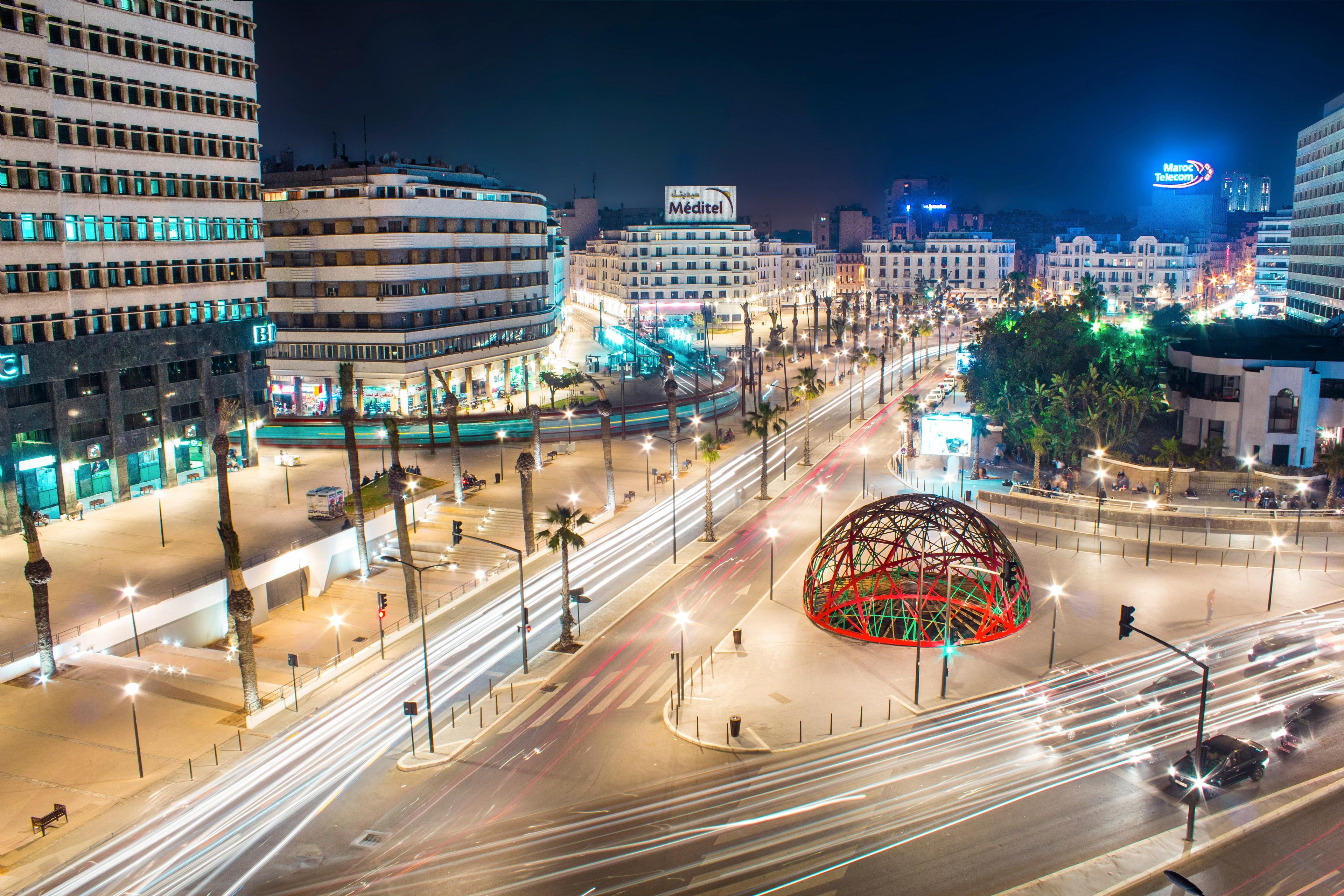
Casablanca is where the Atlantic's roar meets the dynamic pulse of modern Africa. From the geometric purity of Art Deco facades to the spiritual grandeur of the Hassan II Mosque, it is a city that never stops reinventing itself while honoring its deep-rooted heritage.
Here, tradition is not a relic but a living rhythm, echoing through the medina's alleyways and the bustling boulevards of the new city.
History & Heritage
Anfa: The Berber Foundation
Long before it became Casablanca, Berber settlers established Anfa on this Atlantic coast, creating a thriving port that would attract empires. The Phoenicians recognized its strategic value, using it as a trading post connecting Africa to the Mediterranean world.
Anfus: The Imperial Port
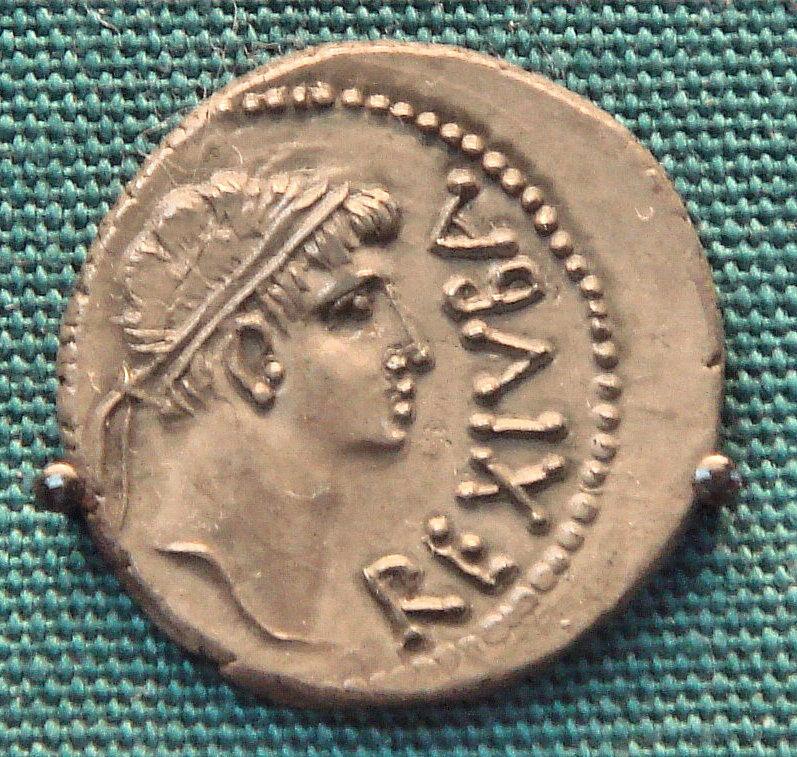
Under Emperor Augustus, Romans transformed Anfa into 'Anfus'—a vital commercial port connecting the purple dye trade from Mauritania. From this harbor, expeditions departed to discover the Canary Islands and Madeira.
The Berber Kingdoms Rise
The Barghawata Berber kingdom claimed Anfa by the 8th century, followed by the powerful Almoravids. These dynasties transformed the settlement into a strategic stronghold, weaving it into the fabric of Islamic North Africa.
Anfa's Commercial Zenith
Under the Merinid Dynasty, Anfa flourished as one of North Africa's most important ports. The city's wealth and independence attracted merchants from across the Mediterranean—but also made it a sanctuary for Barbary corsairs.
The Fall of Anfa
On a fateful day in 1468, Portuguese King Afonso V 'the African' laid siege to Anfa, destroying the prosperous city due to its harboring of pirates. The ancient Berber port was reduced to ruins, ending centuries of continuous habitation.
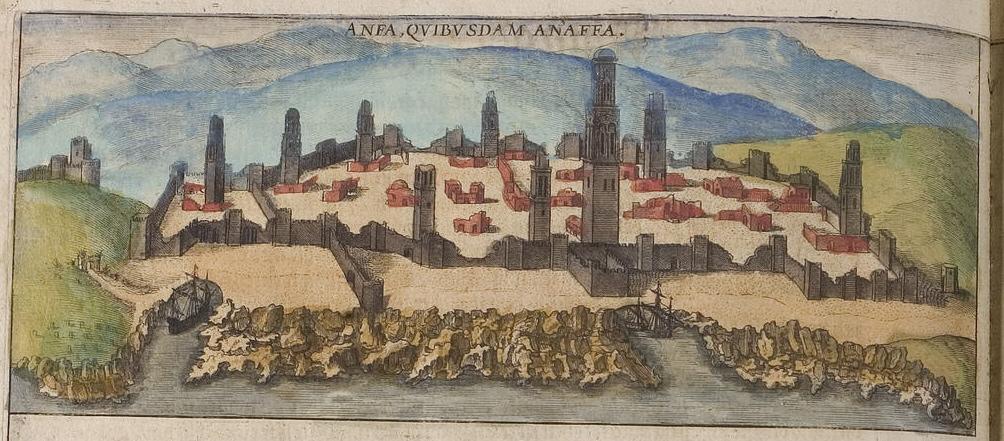
The White House Fortress
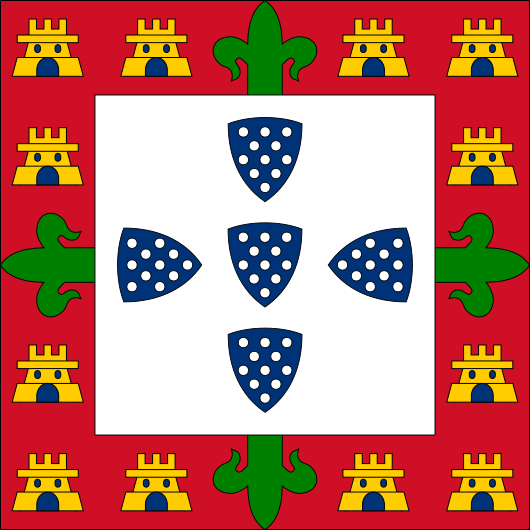
From Anfa's ruins, the Portuguese constructed a military fortress in 1515, naming the settlement 'Casa Branca'—the White House. They defended this Atlantic outpost against local tribes until the catastrophic 1755 Lisbon earthquake weakened their grip.
Dar El Beïda - The Rebirth
Sultan Mohammed III ben Abdallah reclaimed the abandoned settlement and rebuilt it in 1770. Renaming it 'Dar El Beïda', the Sultan constructed defensive walls and the Ould Lhamra Mosque, establishing its modern Moroccan identity.
Port of Commerce Awakens
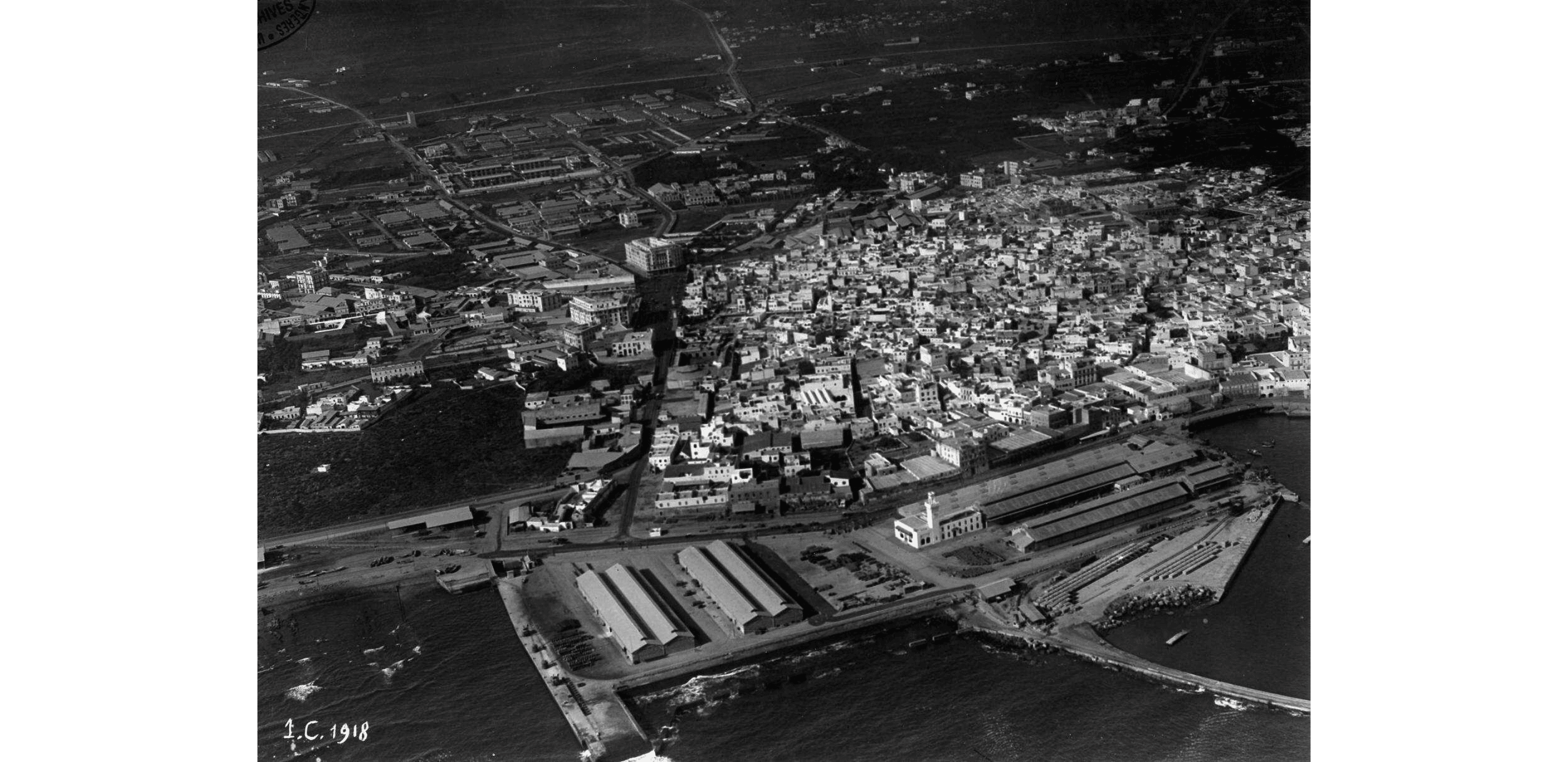
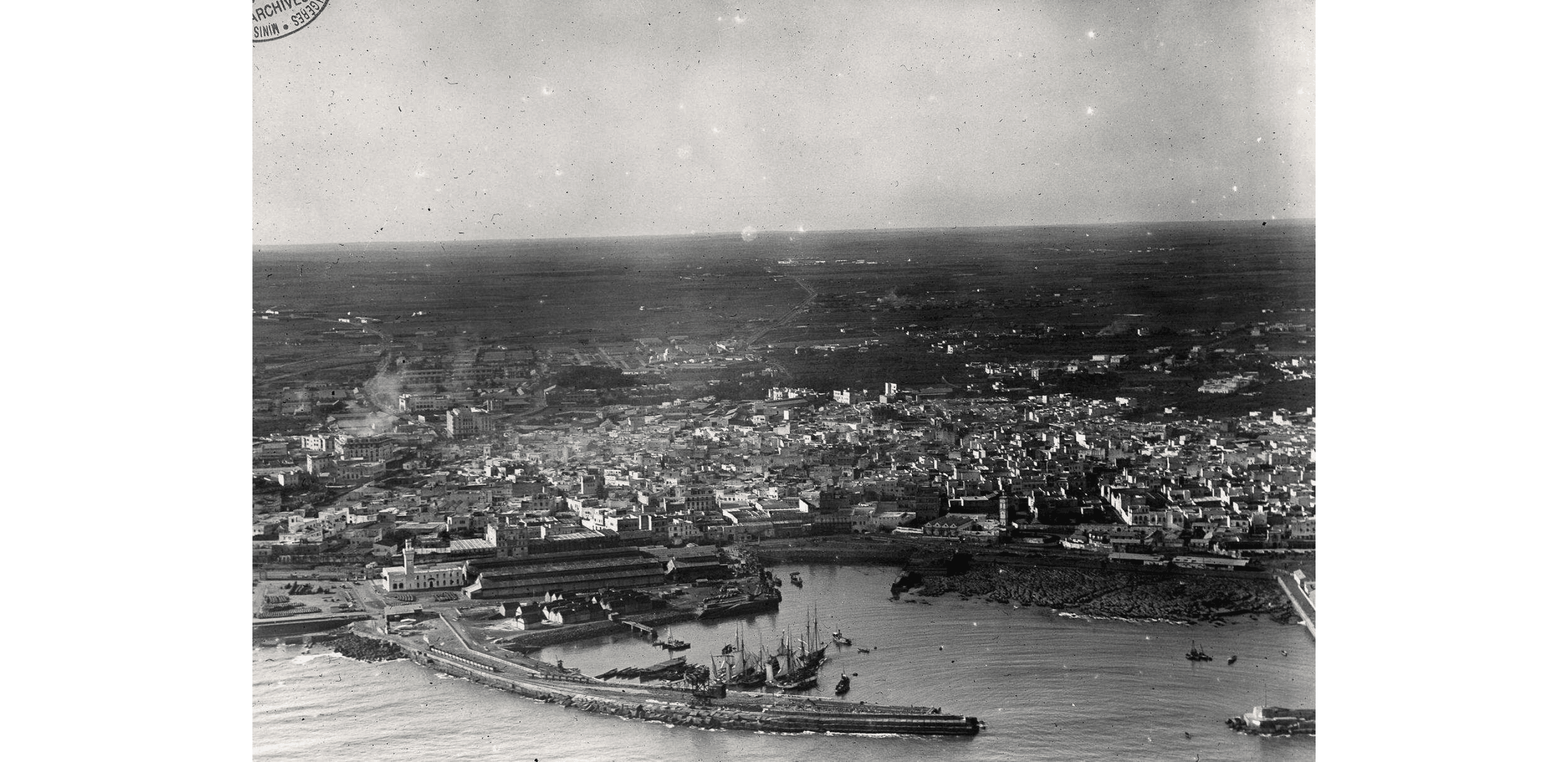
In 1830, the port reopened to global commerce. By 1900, Casablanca's population reached 20,000 as European merchants and rural Moroccans flocked to this gateway between Africa and Europe.
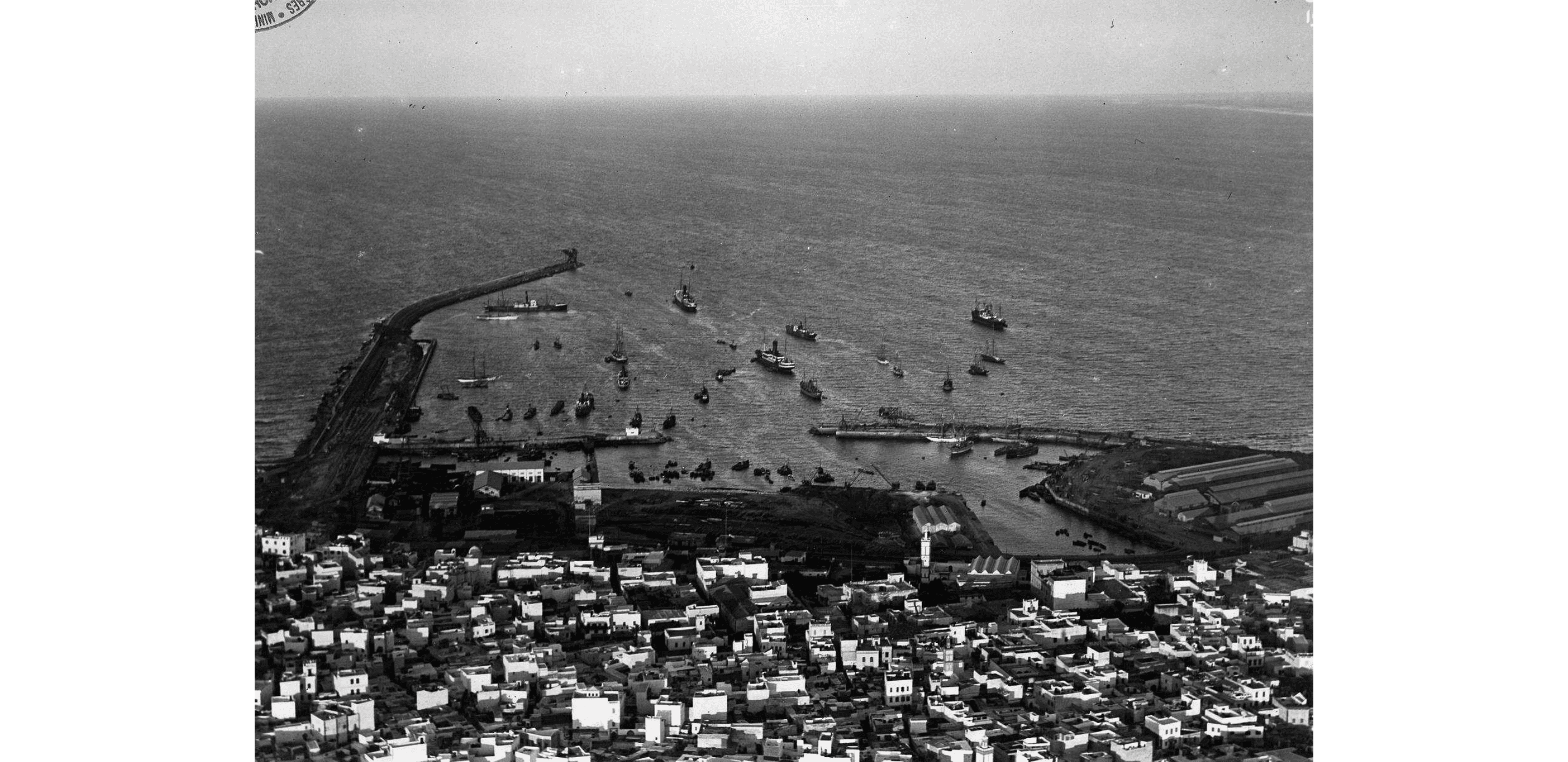
The French Arrive
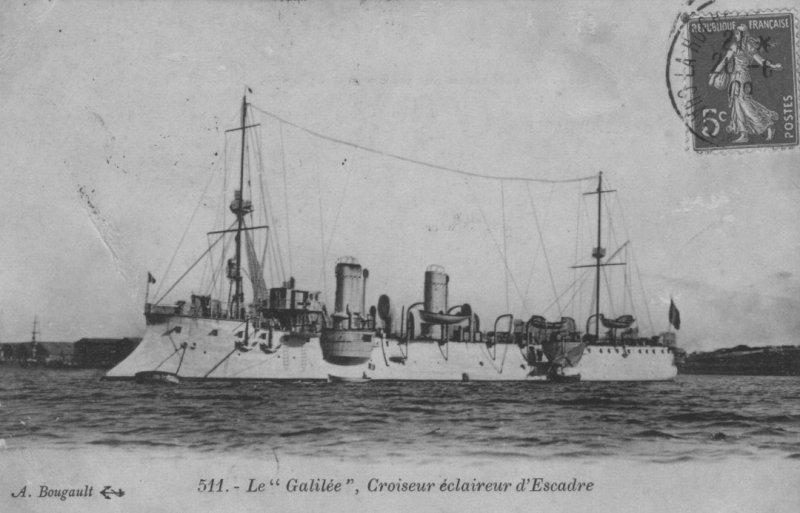
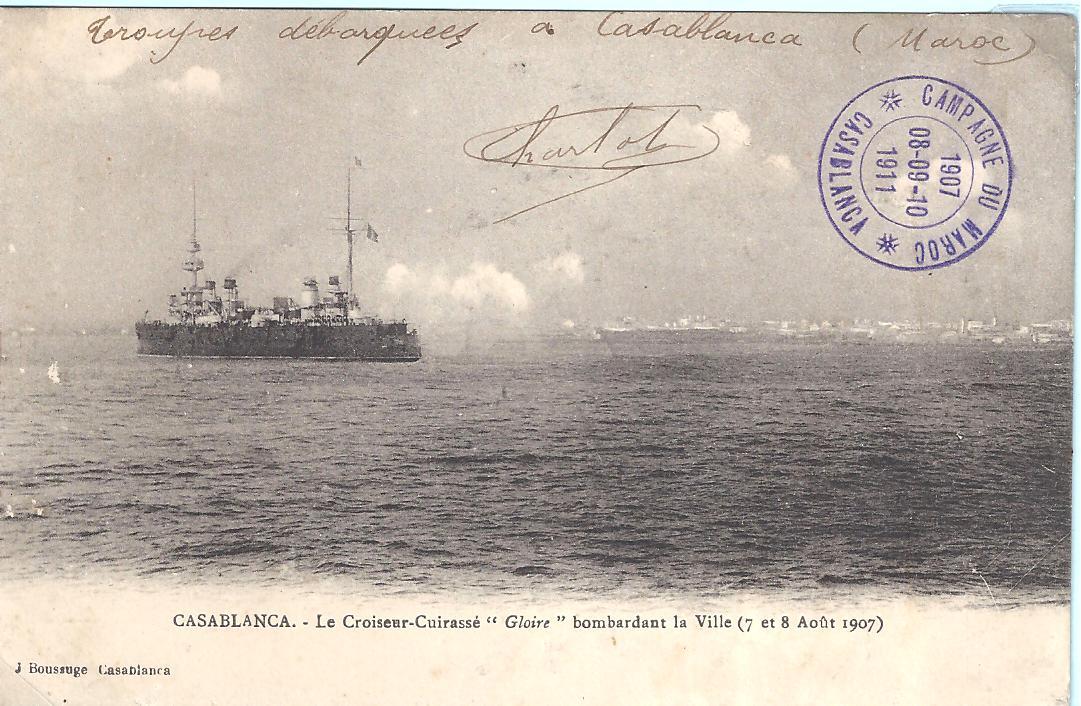
Tensions in 1907 led to French intervention, and by 1912, Morocco became a French Protectorate. Under Marshal Lyautey, this marked the beginning of Casablanca's explosive transformation into a modern urban center.
The White City Blooms
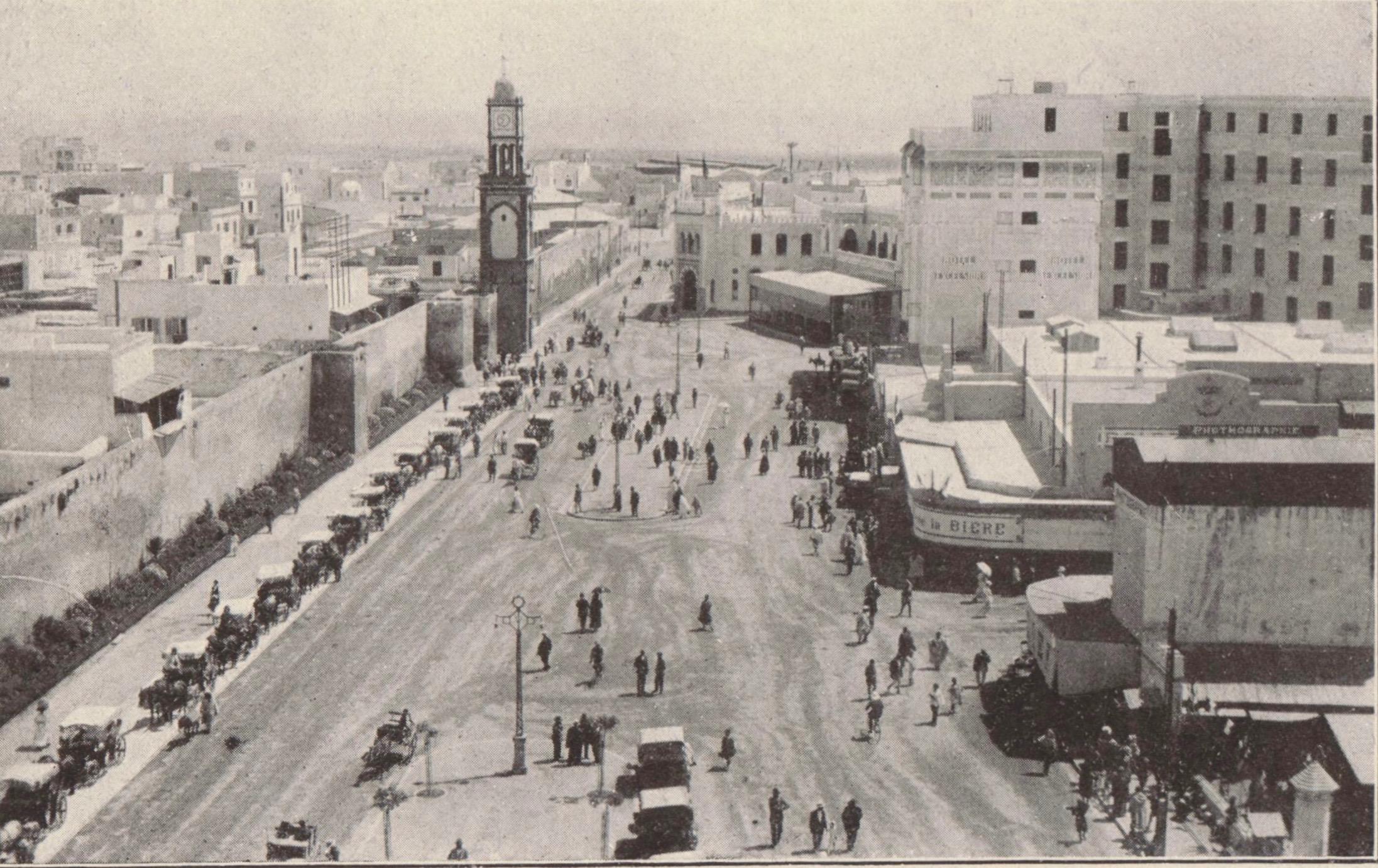
Casablanca exploded into a metropolis, becoming the jewel of French North Africa. Visionary architects created a masterpiece of Art Deco architecture—geometric facades and Neo-Mauresque styles that rivaled Paris and Miami.
Where Empires Decided Fate
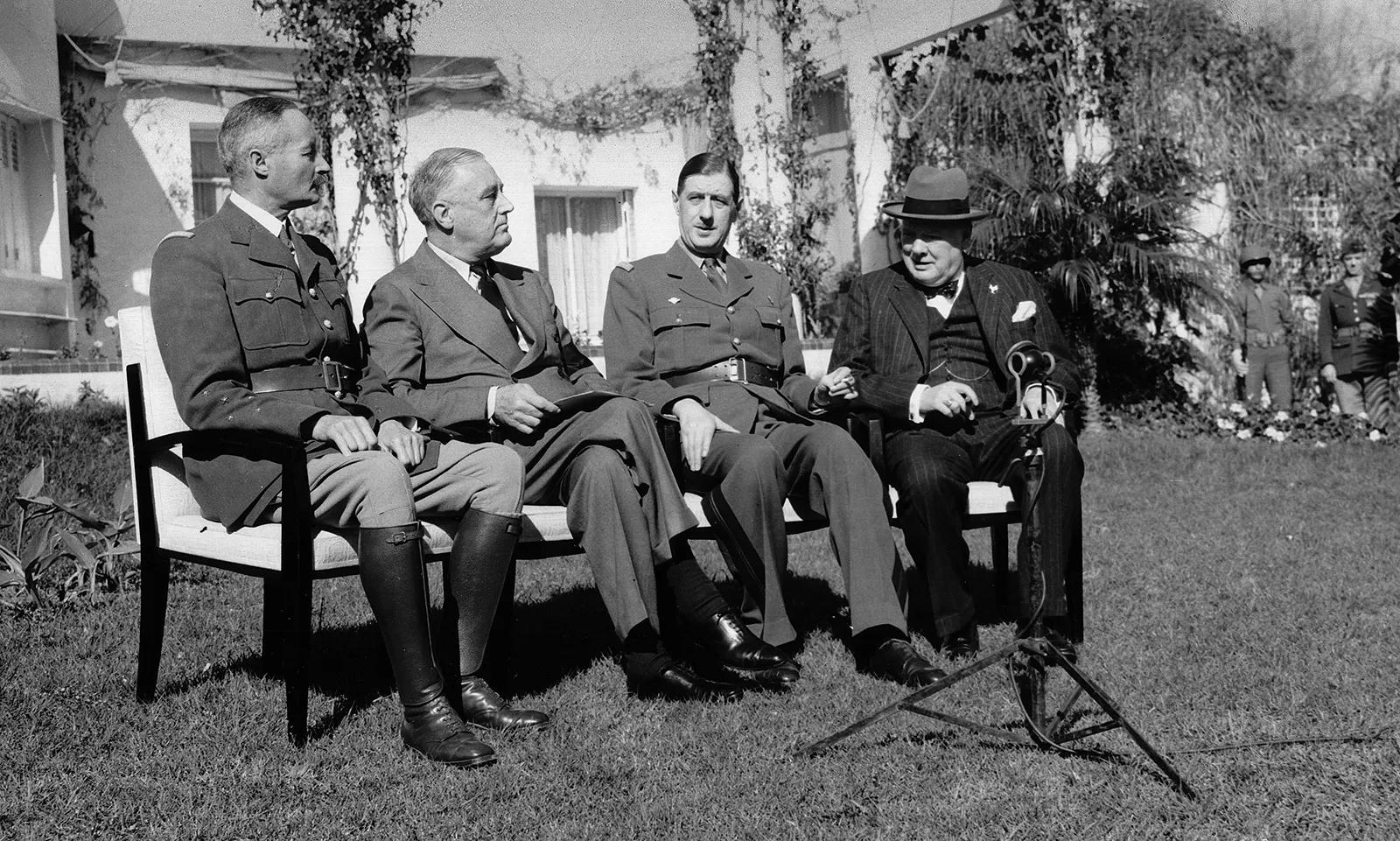
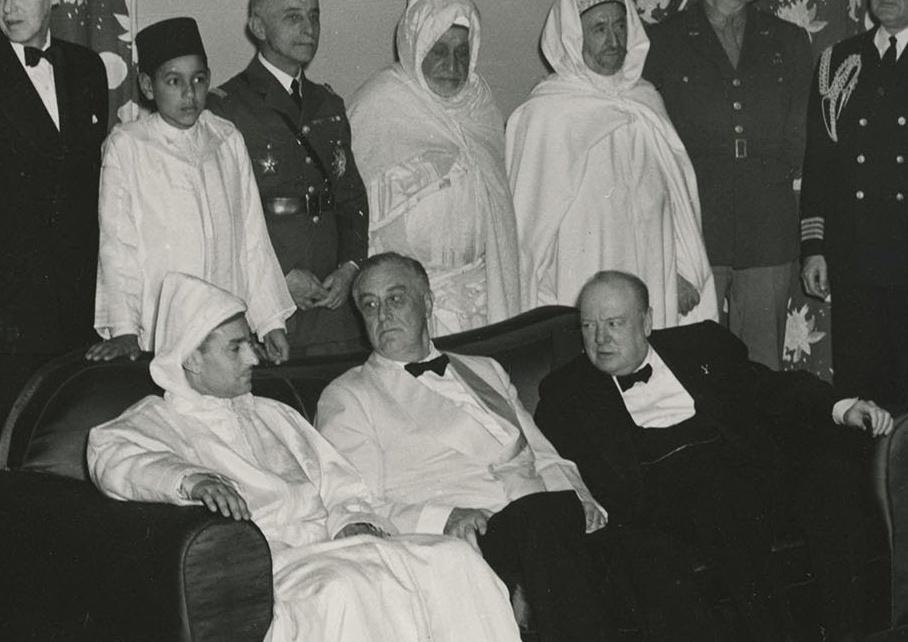
At the Anfa Hotel, Roosevelt and Churchill conducted the landmark Casablanca Conference. Here, Allied leaders planned the invasion of Sicily and demanded Axis 'unconditional surrender,' shaping the outcome of World War II.
Morocco's Economic Heart
On March 2, 1956, Morocco gained independence. Casablanca emerged as the undisputed economic capital, balancing French colonial infrastructure with Moroccan sovereignty to build a modern identity.
A Monument to Faith
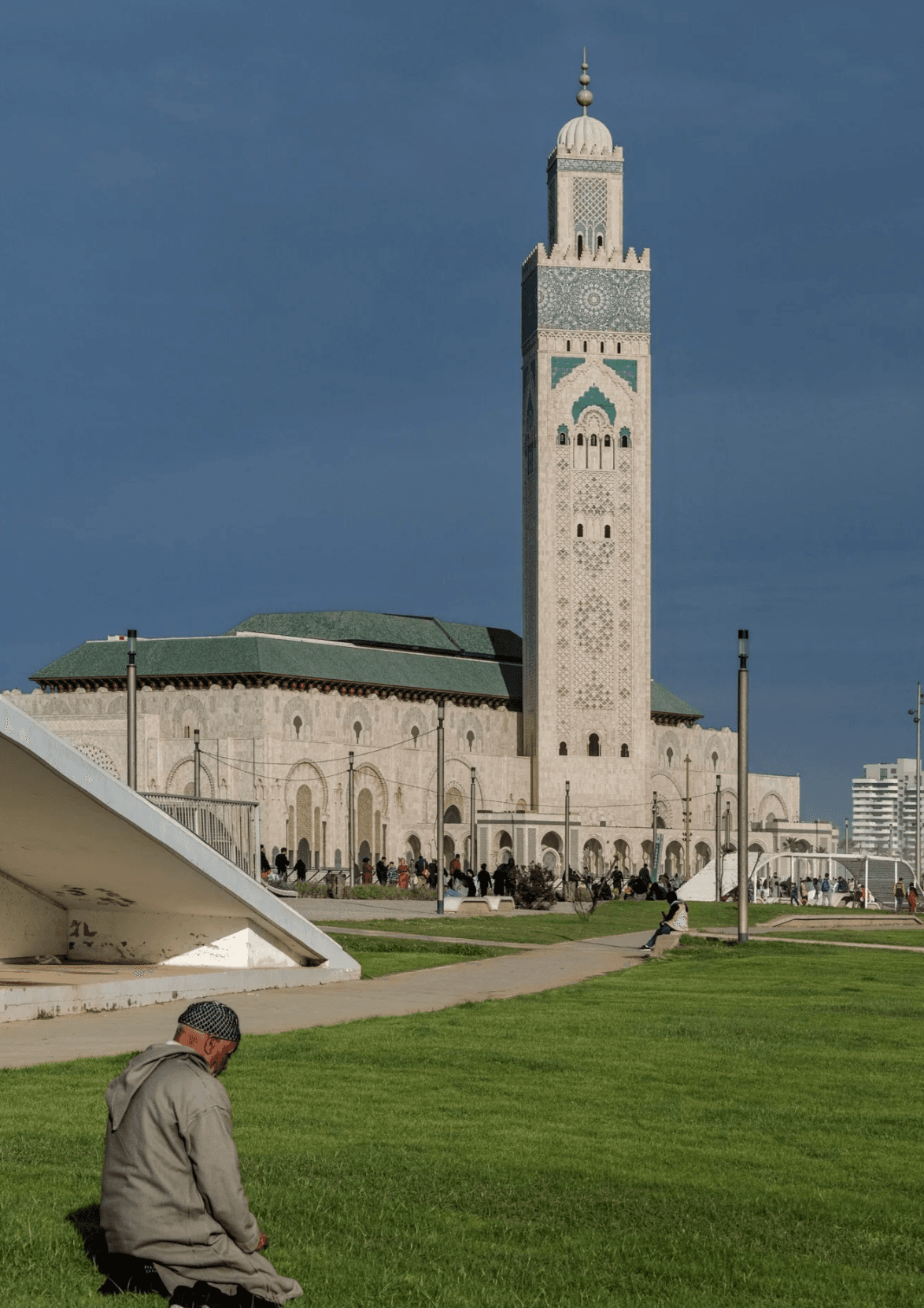
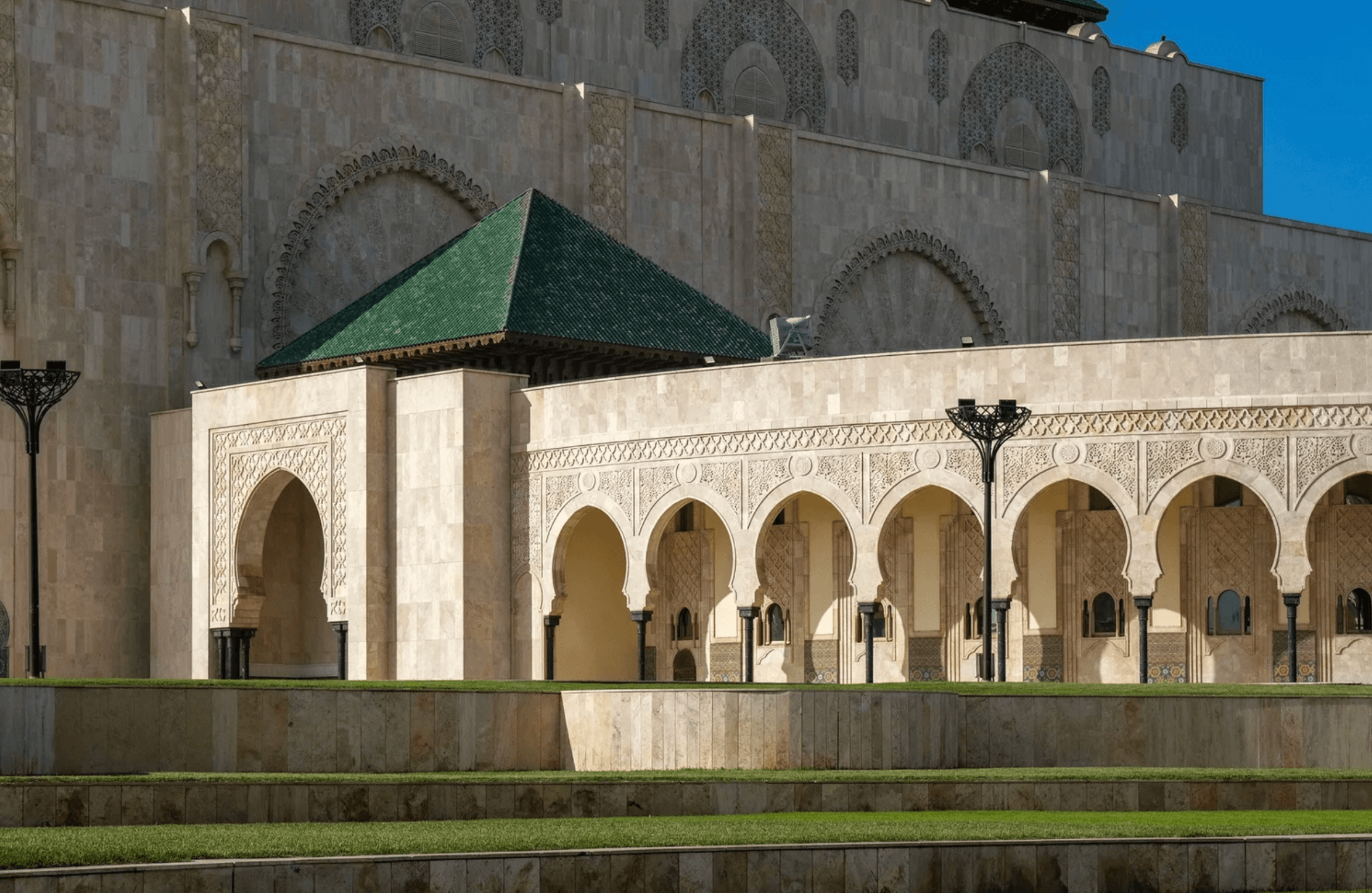
King Hassan II commissioned one of Islam's largest mosques, with the world's tallest minaret at the time. Built partially over the ocean, it stands as a masterpiece of craftsmanship and a symbol of the city's ambition.
Global Gateway & Smart City
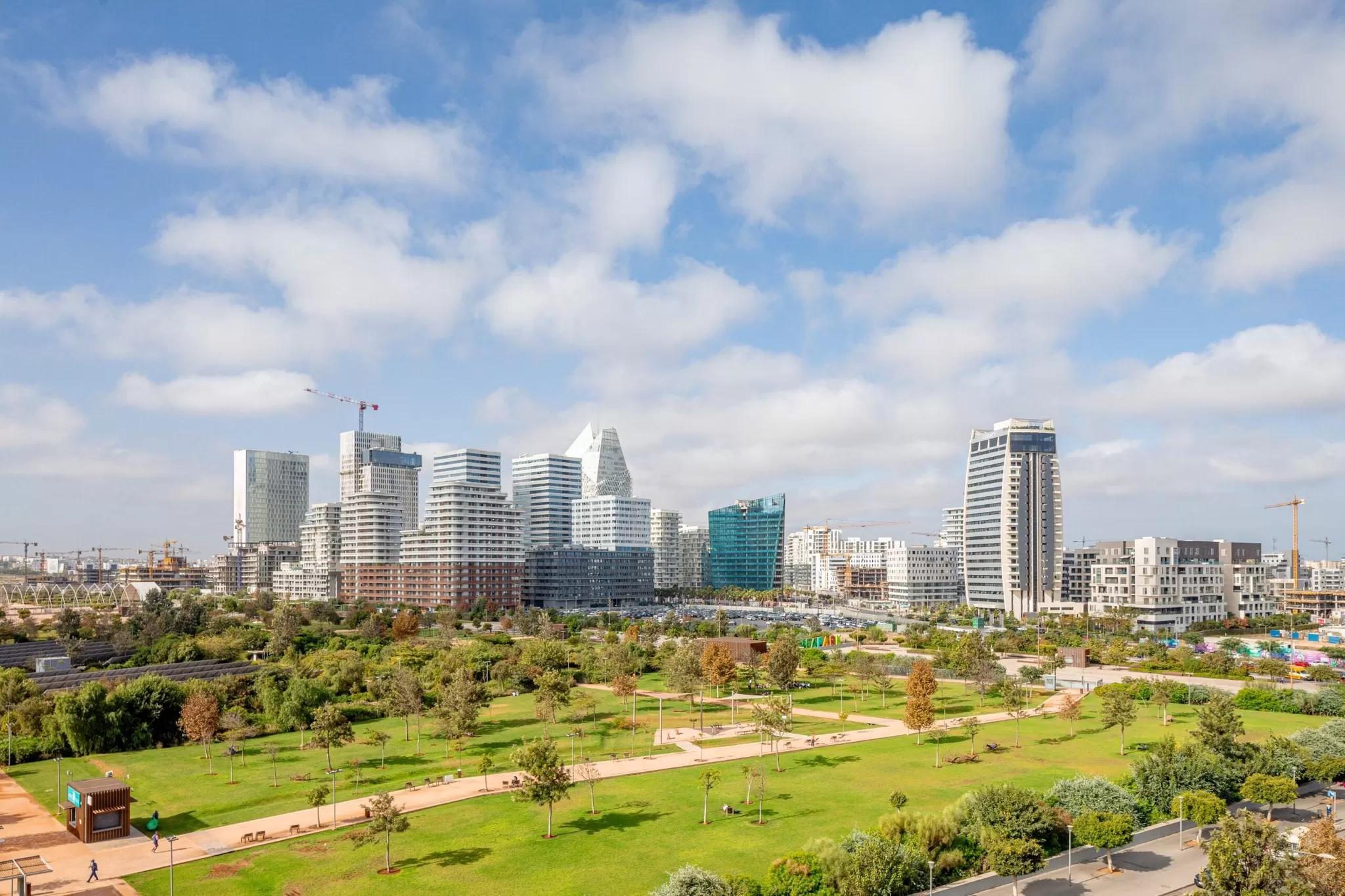
Today, Casablanca races toward the future with Casablanca Finance City and sustainable smart initiatives. It remains Morocco's economic powerhouse—a 21st-century metropolis honoring its layered heritage.
Casablanca is an open-air museum of 20th-century architecture. Explore the iconic landmarks that define the city's unique Neo-Mauresque and Art Deco identity.
Wilaya Building
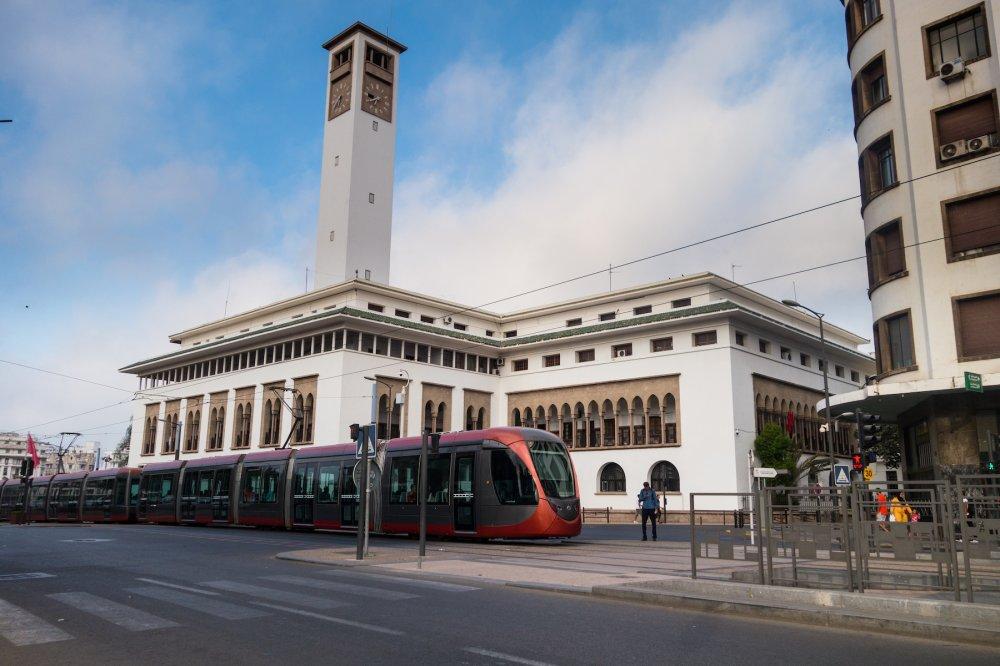
Its façade tells a story of cultural synthesis—sharp lines and dramatic symmetry meet intricately carved arabesques and traditional Moorish arches.Step inside, and you'll discover equally stunning interiors featuring intricate zellige tilework, carved cedar ceilings, and a central fountain that creates a serene oasis within this seat of regional power.
Rising majestically in the heart of Casablanca, the Wilaya Building stands as a testament to the city's architectural golden age. Designed by the visionary Marius Boyer in 1937, this administrative masterpiece seamlessly weaves together the geometric precision of Art Deco with the ornate beauty of Neo-Mauresque traditions.
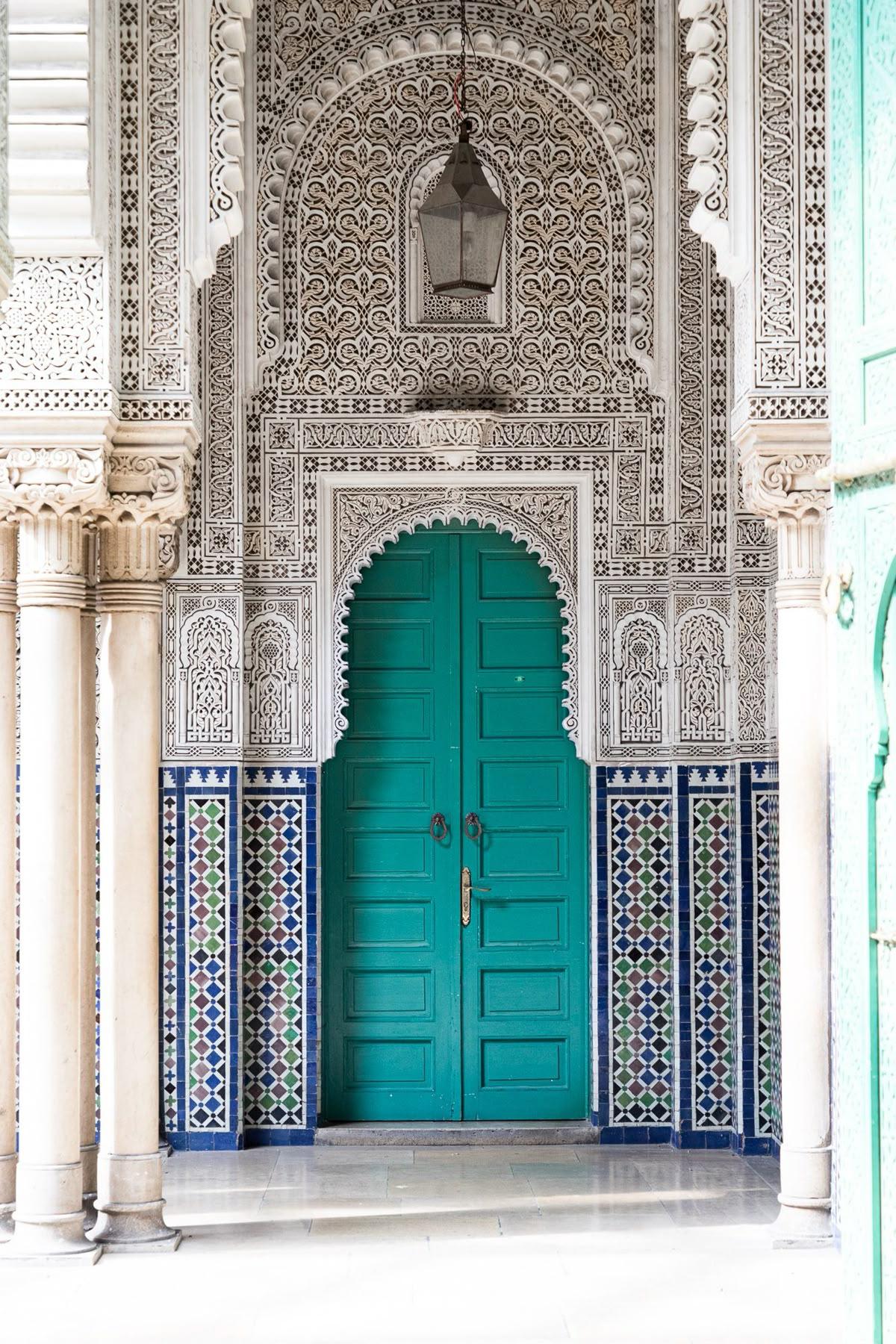
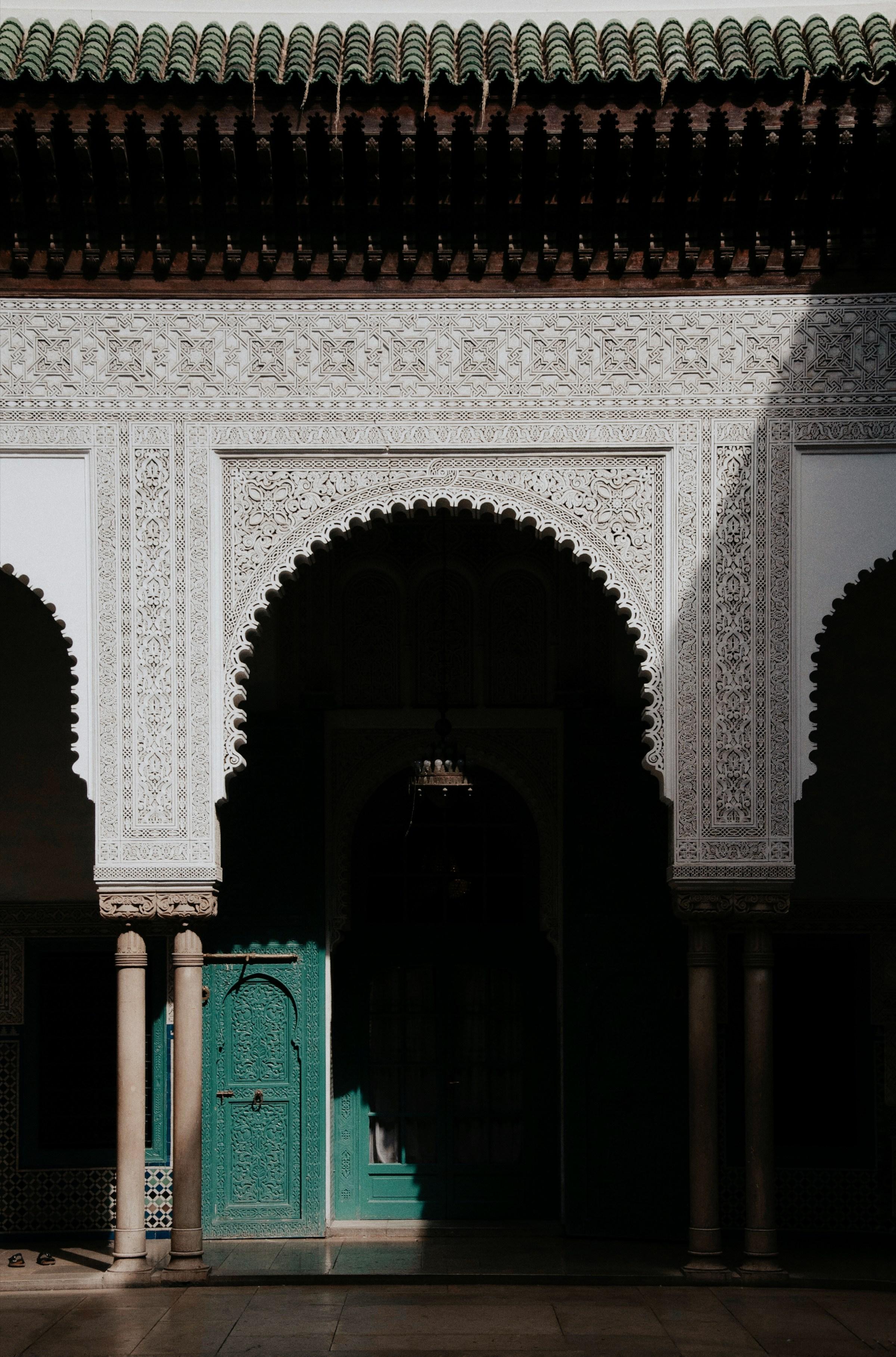
Mahkama du Pacha
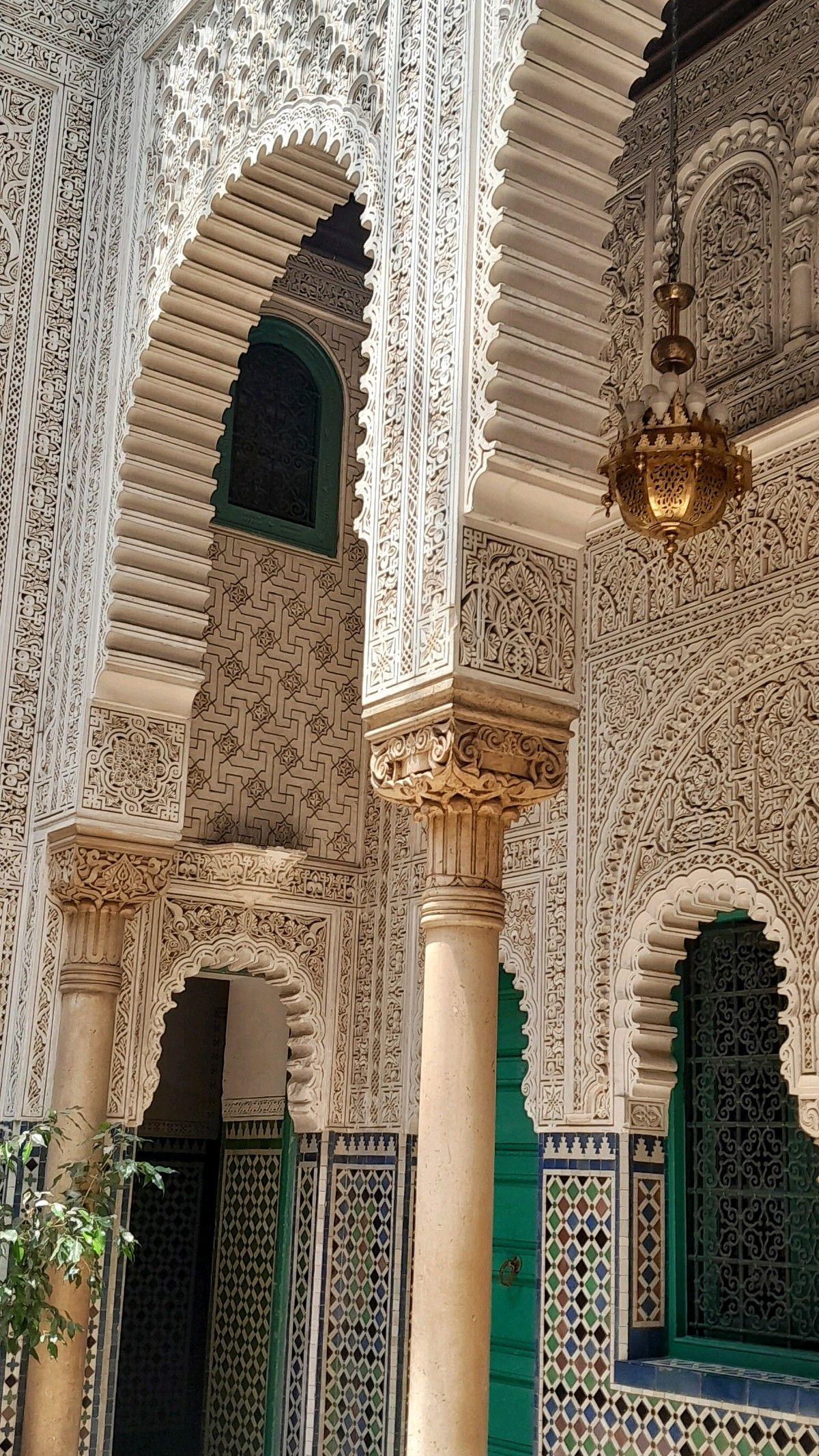
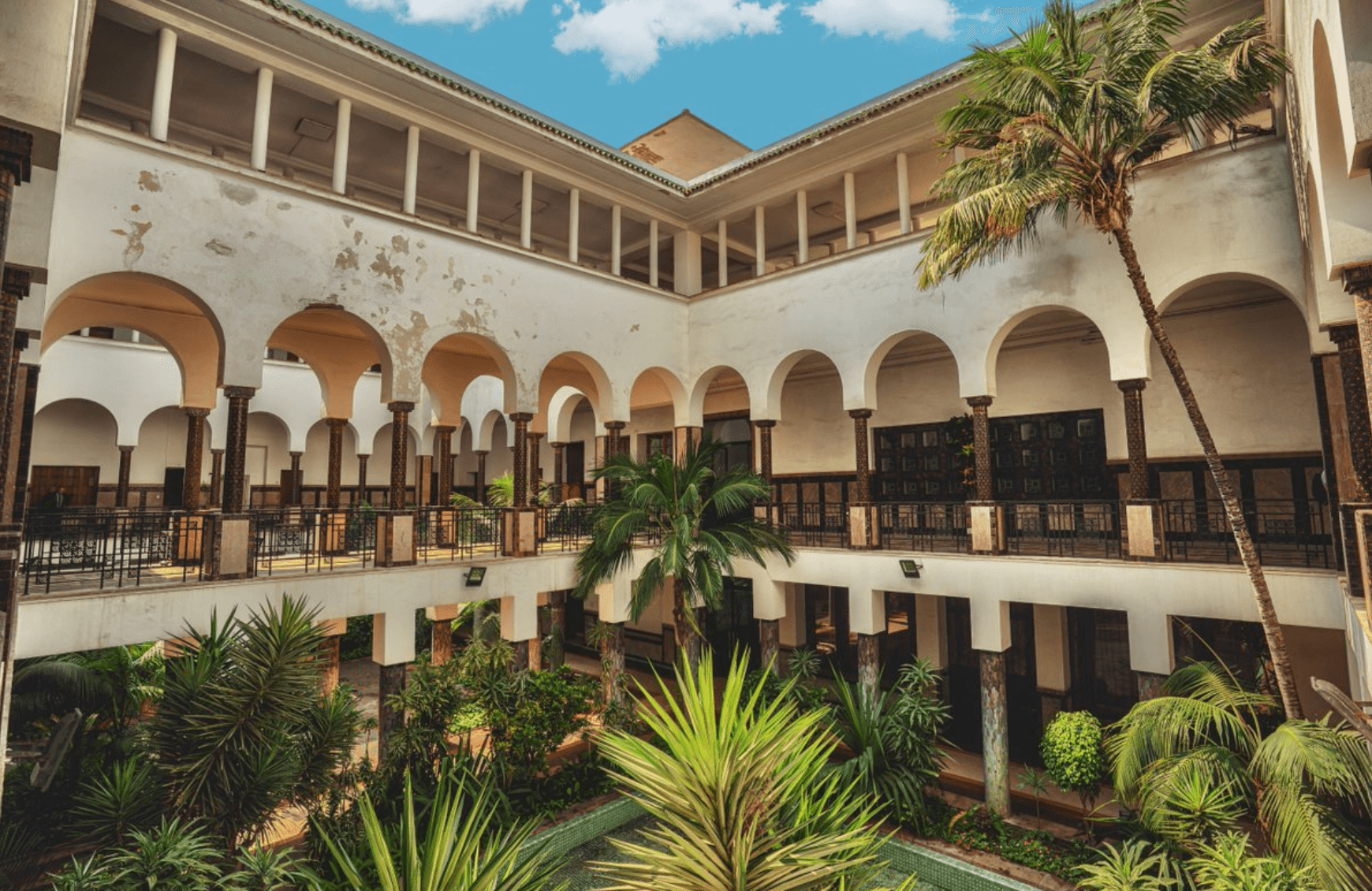
Its 64 rooms and courtyards are adorned with exquisite zellige tiles, sculpted stucco, and cedar wood ceilings, rivaling the beauty of the Alhambra. It stands as a powerful symbol of the Neo-Mauresque style, blending the grandeur of a palace with the solemnity of a courthouse.
A jewel of the Habous district, the Mahkama du Pacha (Pasha's Courthouse) serves as both a parliamentary building and a palace of justice. Built between 1941 and 1952, this fortress-like structure is a masterpiece of traditional Moroccan craftsmanship.
Phare El Hank Iconic Tower
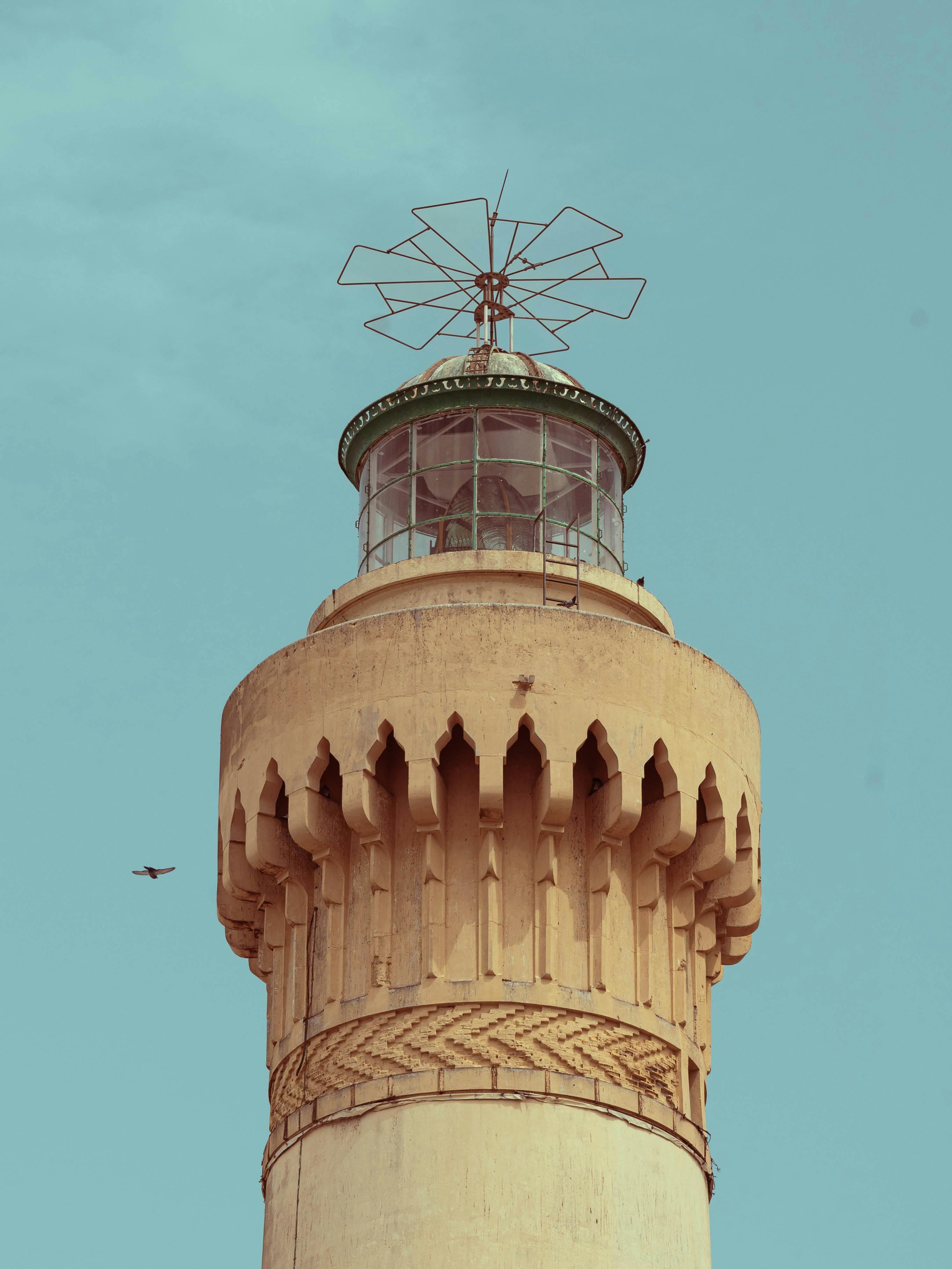
Standing guard over the rocky Atlantic shoreline, the Phare El Hank lighthouse has guided mariners safely into Casablanca's harbor for over a century. This elegant white tower, erected in 1920 by French colonial engineers, rises 50 meters above the dramatic cliffs of the El Hank peninsula. Its powerful beam sweeps across the ocean at night, a romantic symbol of the city's deep connection to the sea. The surrounding promenade offers some of Casablanca's most breathtaking sunset views, where locals gather to watch the golden light paint the lighthouse against a backdrop of crashing waves and endless horizon.
Bab Marrakech Clock Tower
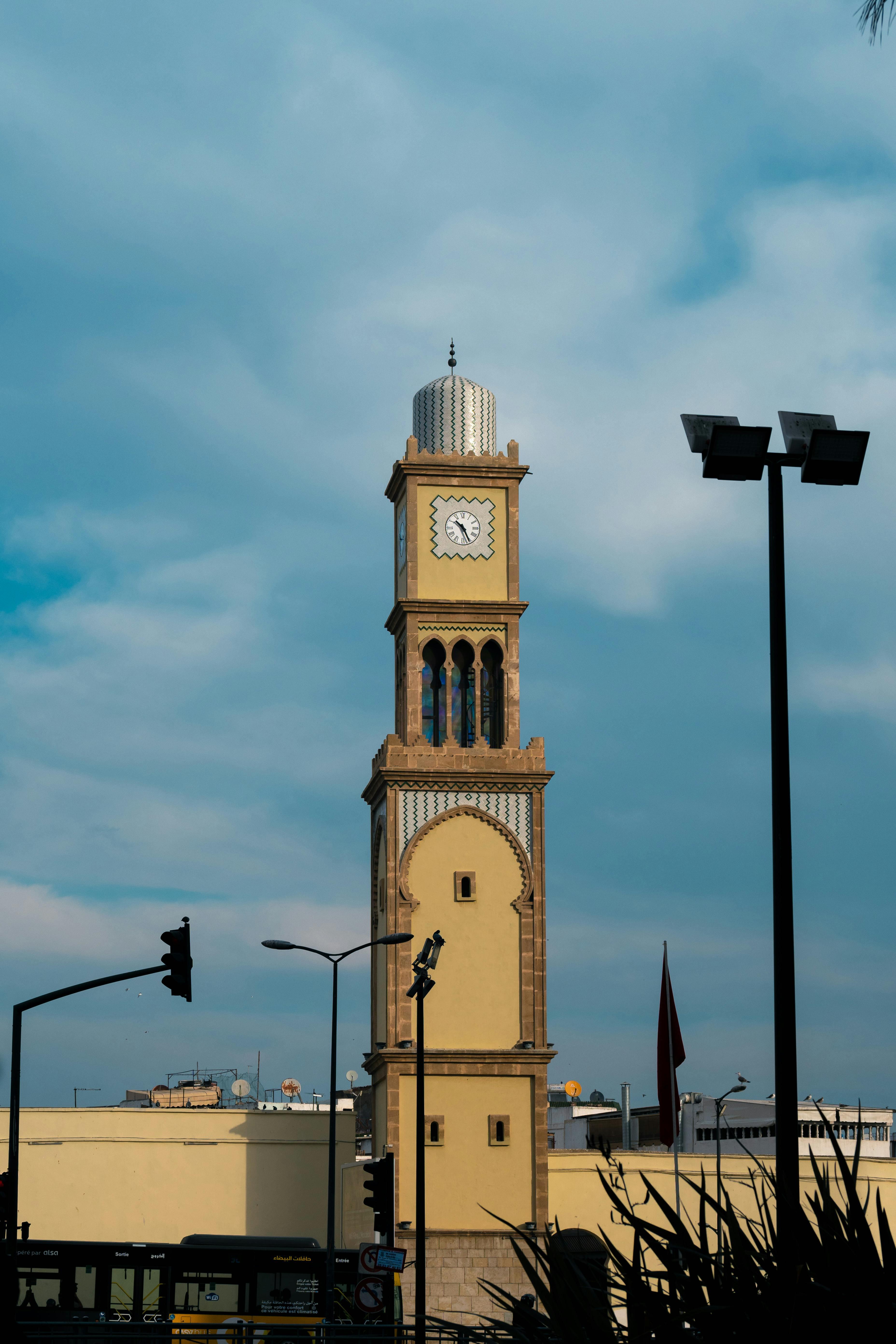
Standing sentinel at the gateway to the ancient medina, the Bab Marrakech Clock Tower has marked time for Casablanca for over a century. Erected in 1910 during the French Protectorate era, this elegant timepiece rises above the bustling market square where the old city meets the new. Its distinctive Neo-Moorish architecture, featuring a white-washed tower crowned with an ornate clock face, became an iconic meeting point for generations of Casablancans. The tower witnessed the city's transformation from a modest port town to Morocco's economic powerhouse, its chimes echoing through the labyrinthine streets of the medina below.
Royal Palace of Casablanca
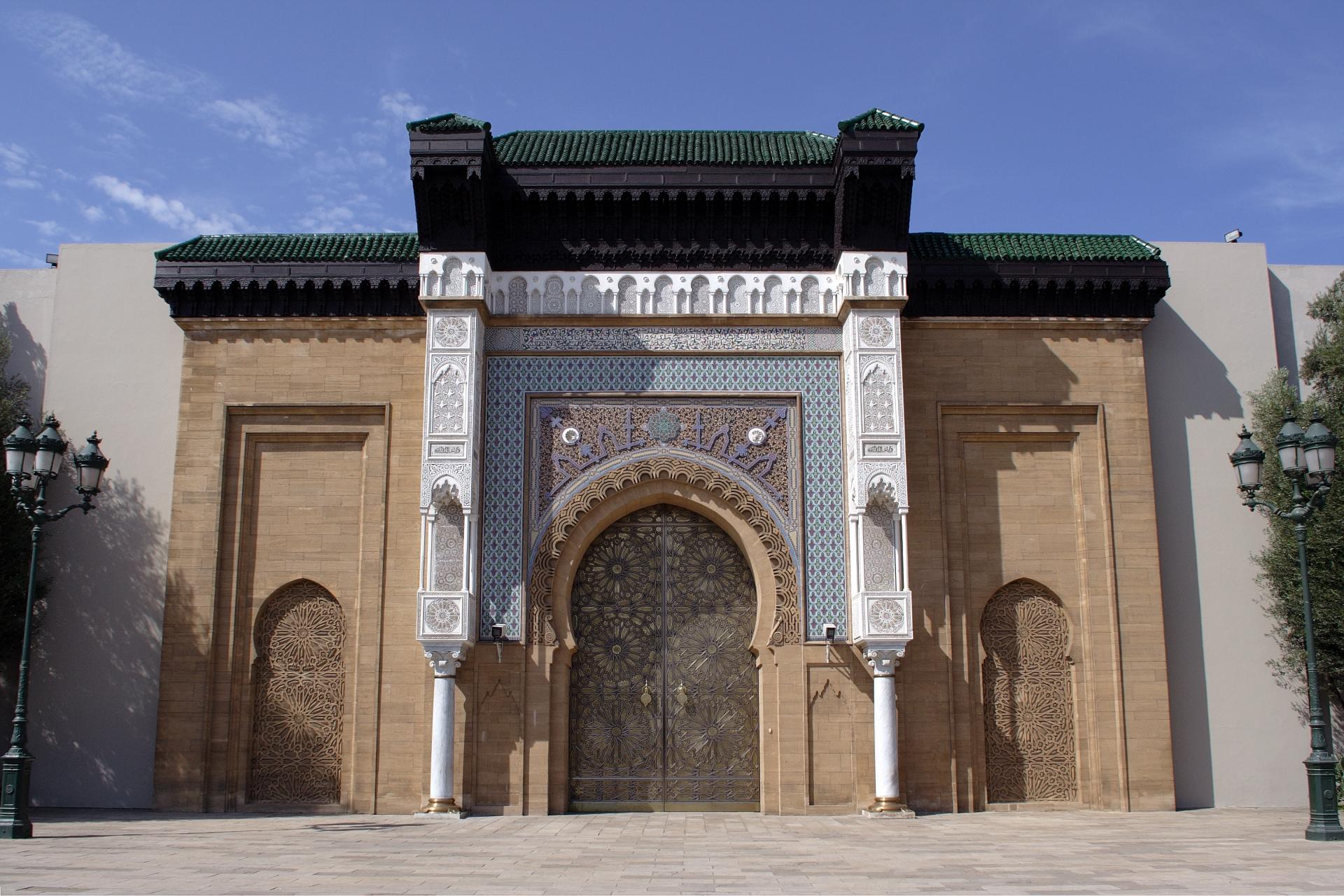
Hidden behind towering walls and exquisite gardens lies the Royal Palace of Casablanca, one of King Mohammed VI's official residences. Constructed in the 1920s and expanded over decades, this palatial complex showcases the pinnacle of Moroccan craftsmanship—from its monumental brass-studded gates to the inner courtyards lined with marble fountains and fragrant orange trees. While the palace interior remains closed to visitors, the exterior walls and ceremonial gates offer glimpses into Morocco's living royal heritage. The palace grounds stretch across vast gardens, a testament to Morocco's tradition of creating earthly paradises within urban centers.
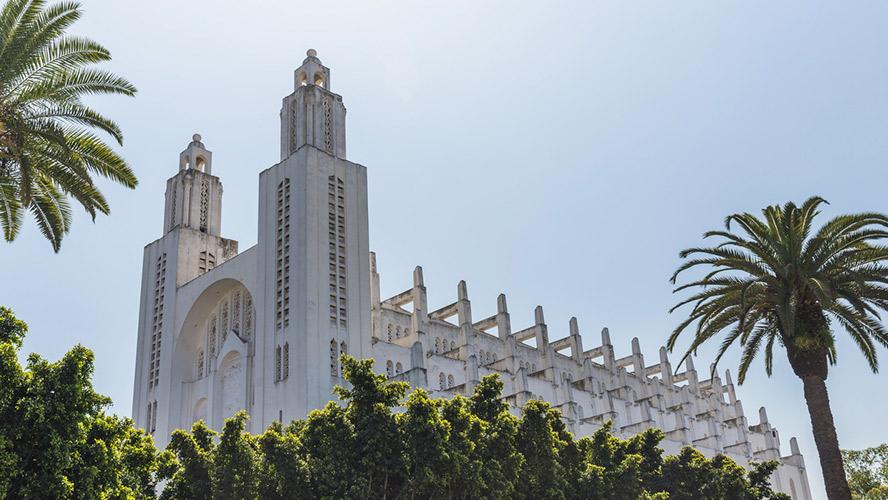
Sacré-Cœur Cathedral
Once a beacon of Catholic worship, the Sacré-Cœur Cathedral now stands as a striking cultural center that defies architectural conventions. Paul Tournon's 1930 masterwork pushed the boundaries of reinforced concrete construction, creating twin towers that pierce the Casablanca skyline with minimalist elegance. The building's stark white exterior and bold geometric forms represent a radical departure from traditional cathedral design, embodying the experimental spirit of the Art Deco era while paying subtle homage to Moroccan architectural traditions through its use of light and shadow.
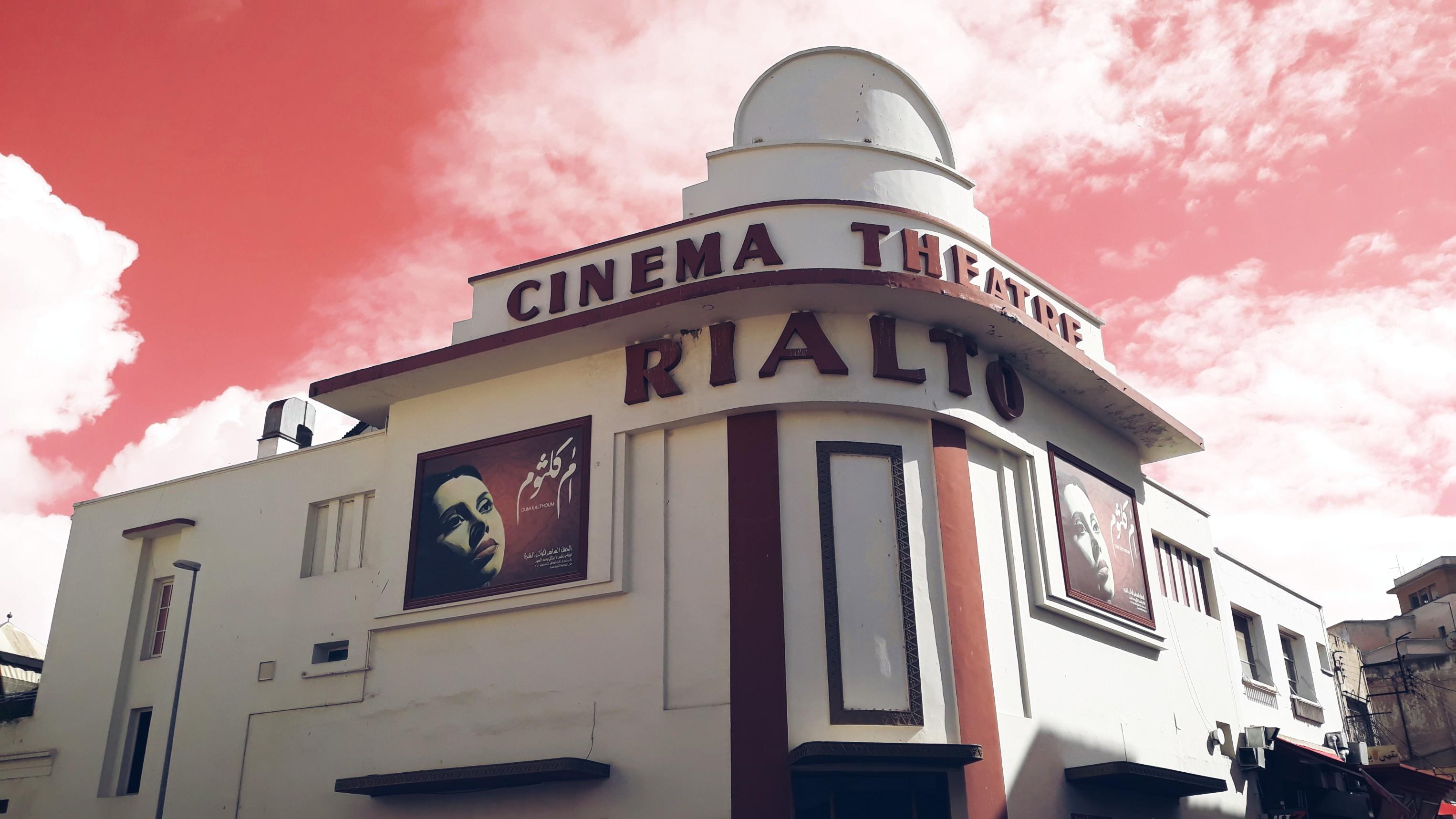
Cinema Rialto
Step into the Cinema Rialto and you step back into the glamorous 1920s, when Casablanca was the jewel of French North Africa. Pierre Jabin designed this palace of dreams in 1929, creating one of the most magnificent cinema houses on the African continent. Its Art Deco façade, adorned with geometric motifs and crowned by its iconic neon signage, has welcomed generations of moviegoers. Inside, ornate plasterwork, gilded details, and velvet seats transport visitors to an era when going to the cinema was an event worthy of one's finest attire.
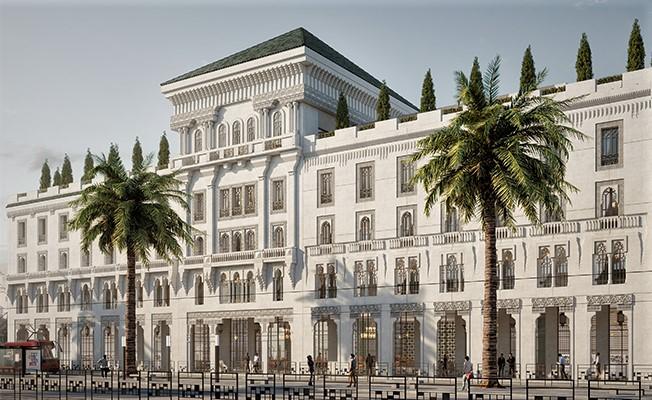
Hotel Lincoln
The Hotel Lincoln whispers tales of a bygone era when Casablanca was emerging as a cosmopolitan crossroads. Completed in 1917 by architect Hubert Bride, this elegant establishment predates the city's Art Deco boom, representing the transitional period between colonial Neo-Classical styles and the modernist movement that would soon transform the city. Recently restored to its former glory, the hotel's intricate ironwork balconies, refined proportions, and period details offer a glimpse into the sophisticated world of early 20th-century travelers who sought adventure along Morocco's Atlantic coast.
CoastalÉlégance
Ain Sebaa · Zenata · Ain Diab
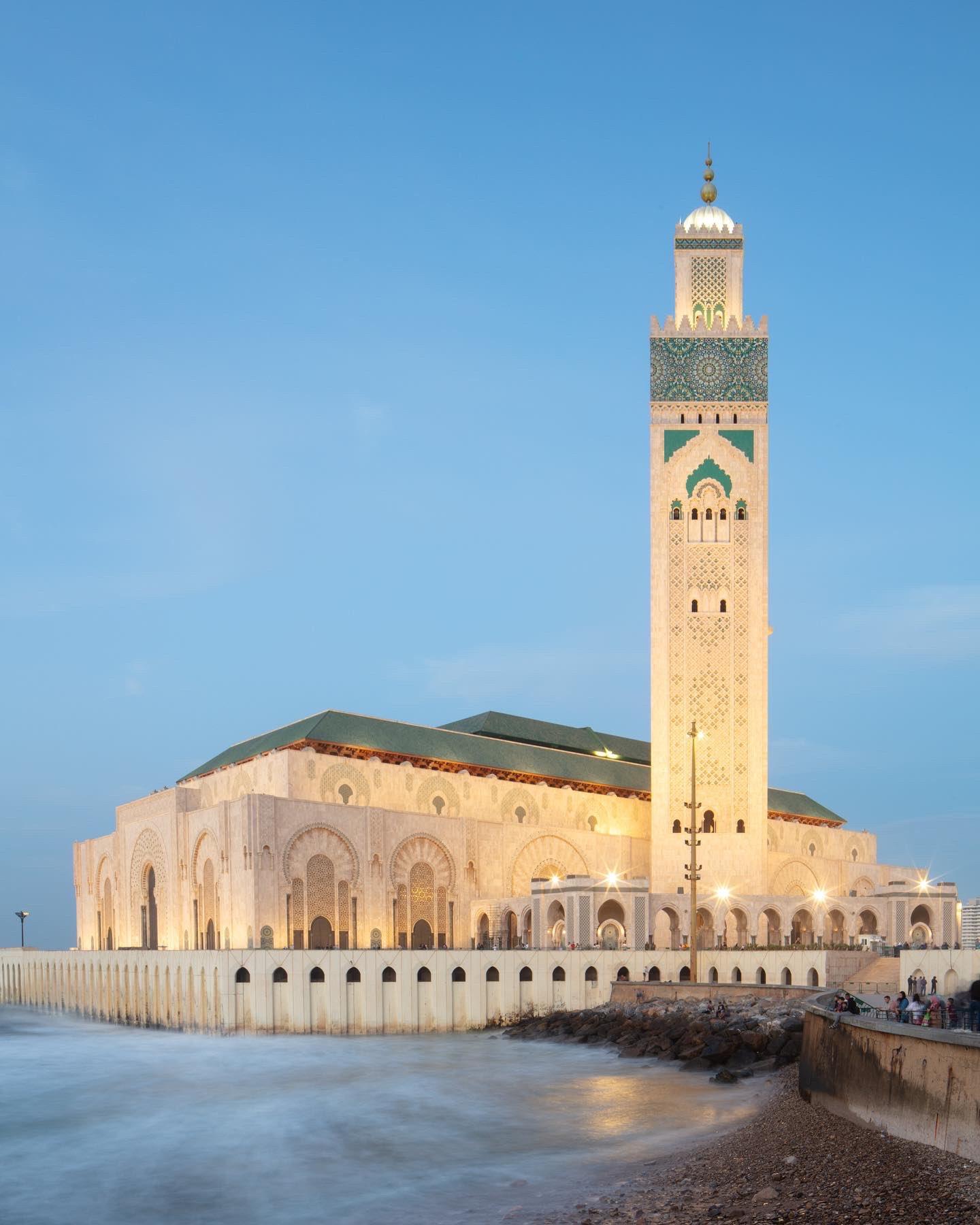
Hassan II
Where divine architecture meets the Atlantic — one of the world's largest mosques, a masterpiece rising from the ocean itself.
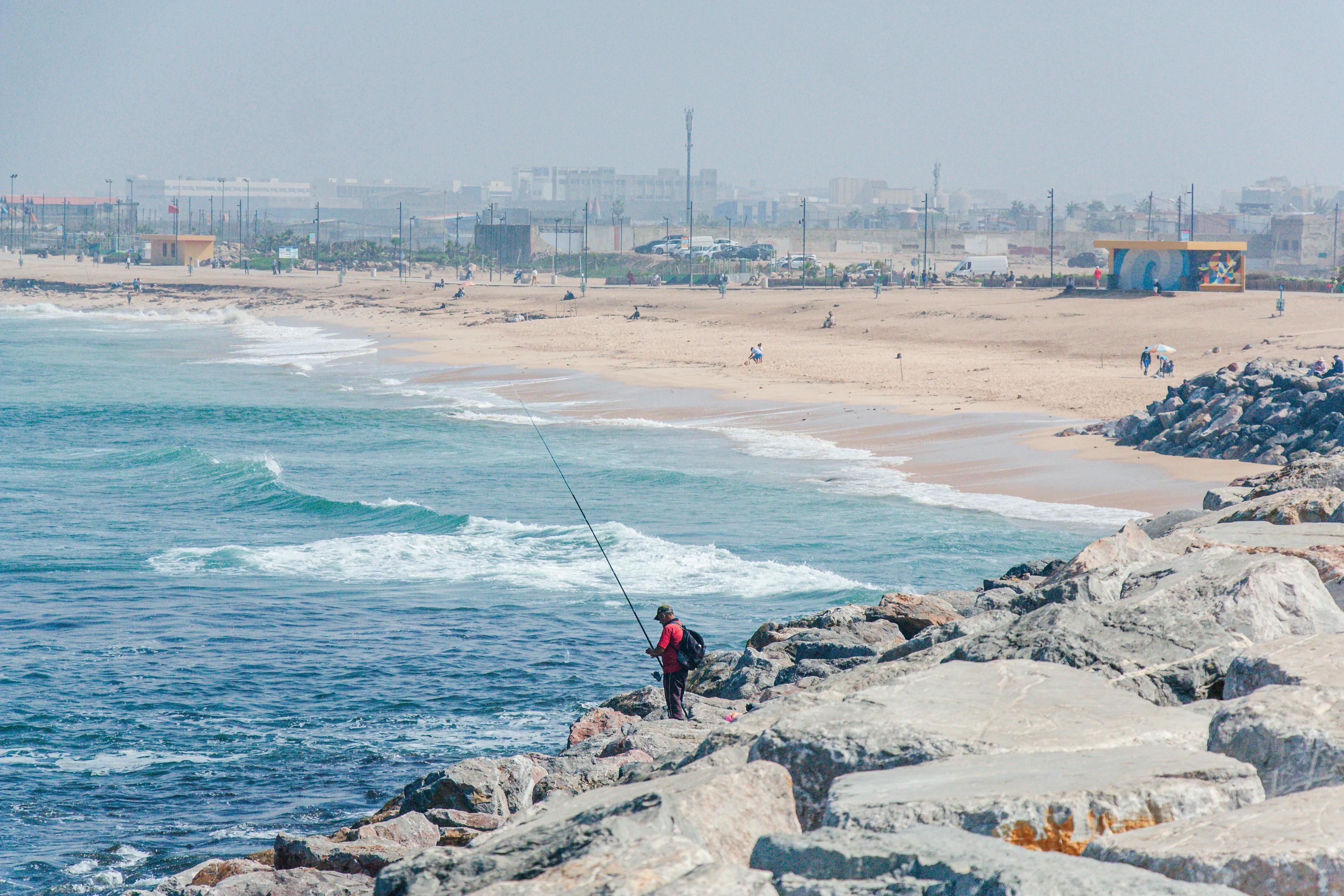
Mimosa
The gateway to Ain Sebaa's 3.4km promenade — where the city's heartbeat synchronizes with Atlantic waves.
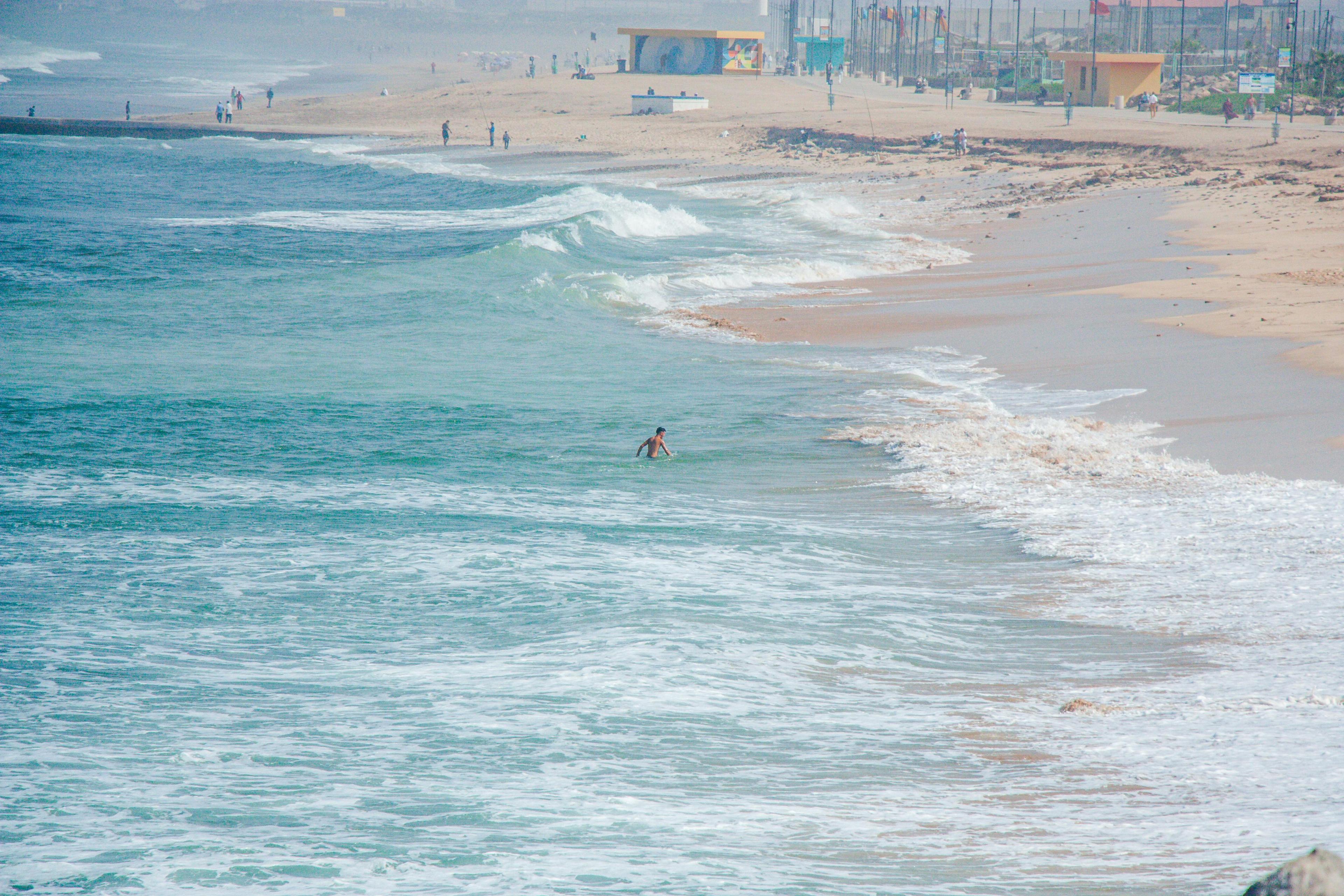
Ain Sebaa
A revitalized promenade stretching along the Atlantic — where urban renewal meets maritime tradition.
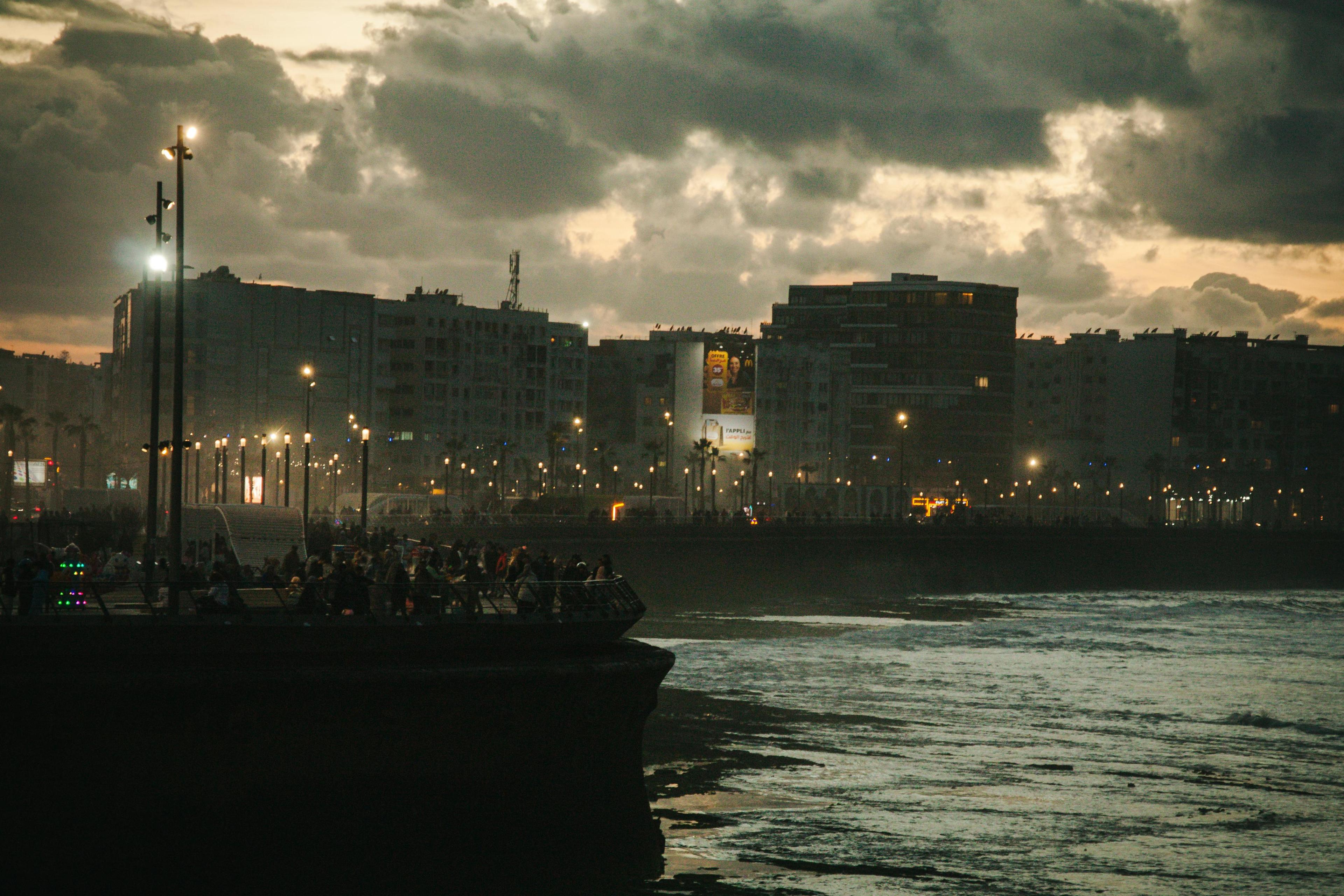
El-Hank
Since 1916, this lighthouse has been the Atlantic's sentinel — a beacon of heritage guiding modern vessels.
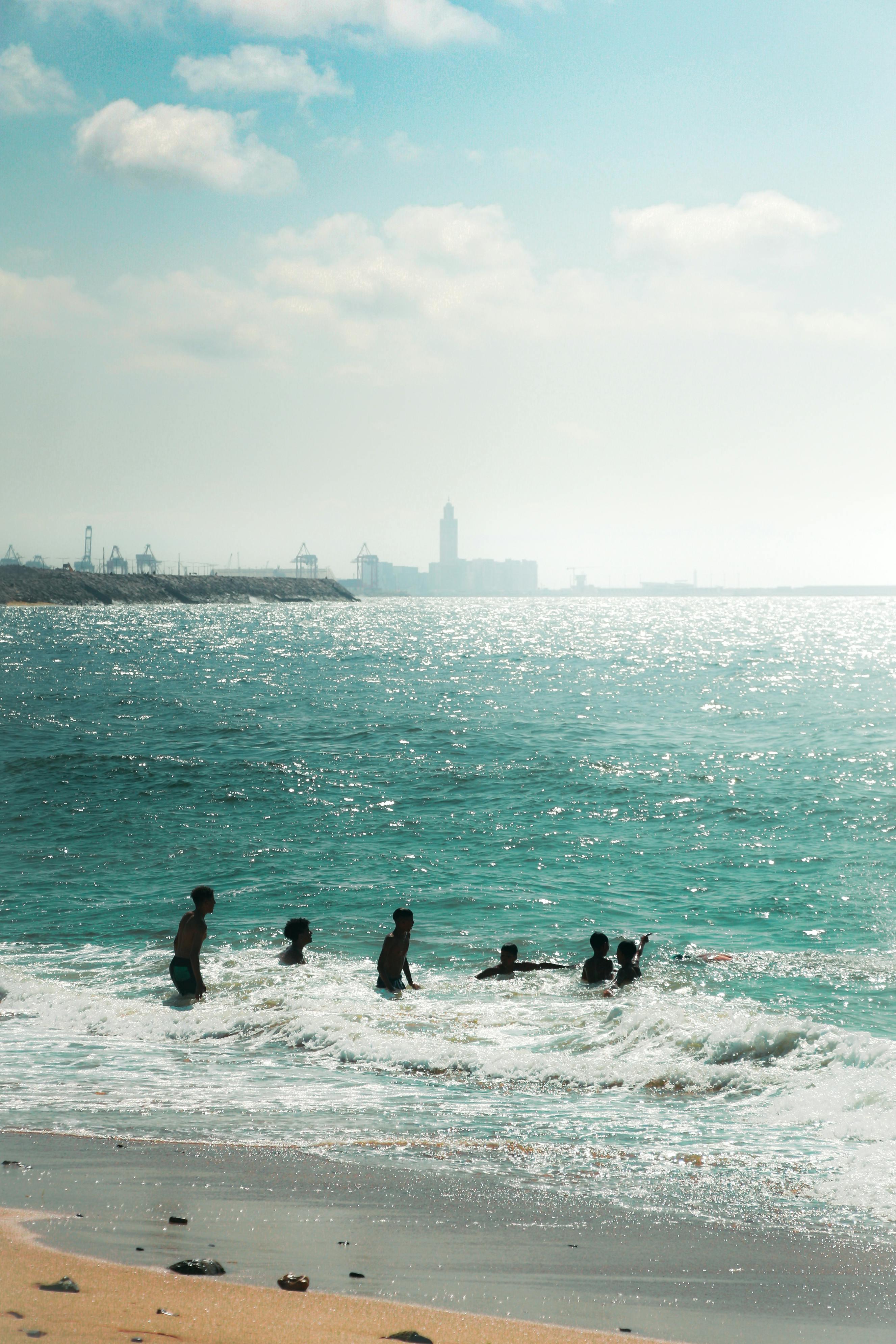
Ain Diab
13 kilometers of palm-lined elegance — where café culture, beach life, and sunset rituals define Casablanca's soul.
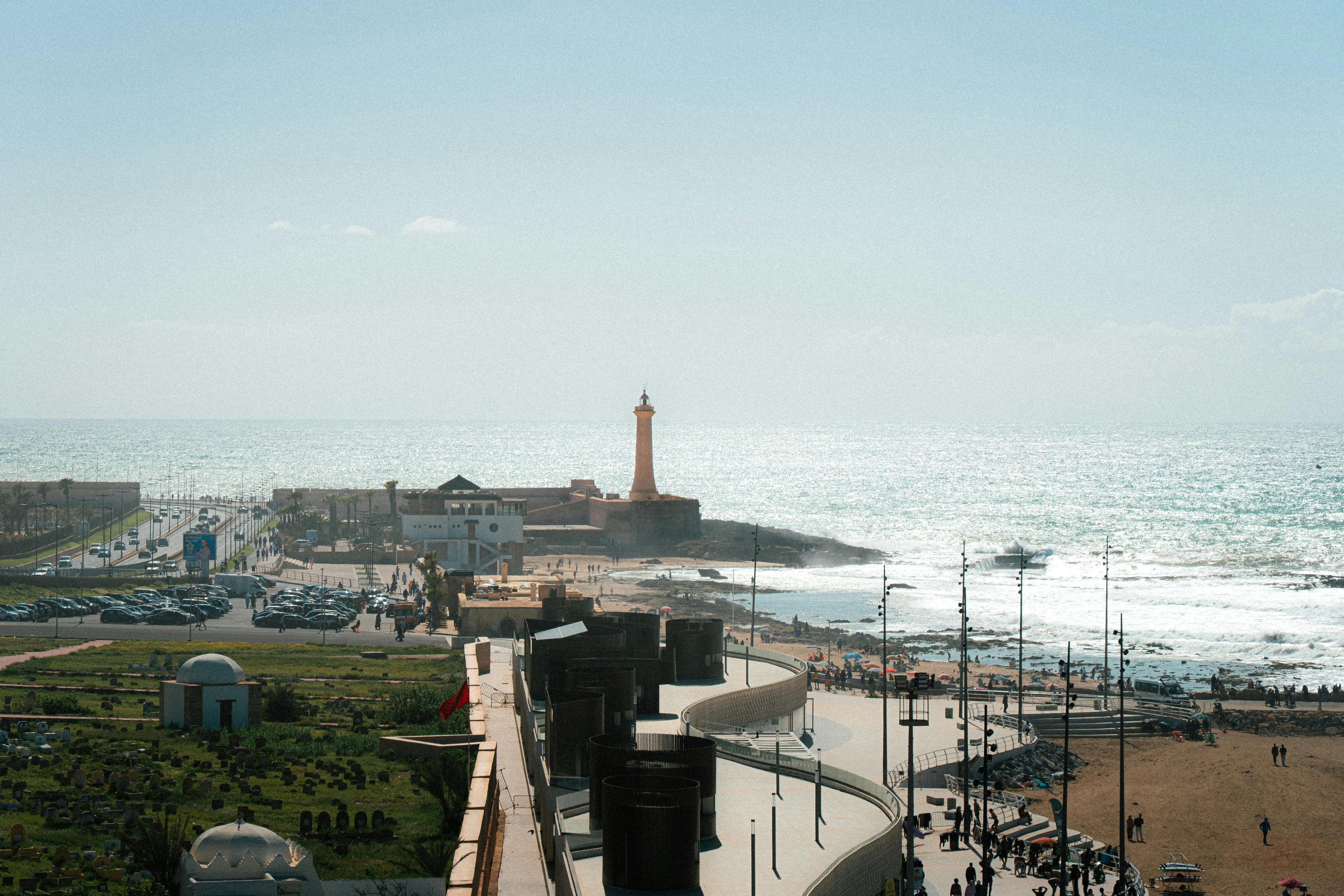
El-Hank Lighthouse
A panoramic embrace of Casablanca's legendary coastline — where the lighthouse stands guard over centuries of maritime history.
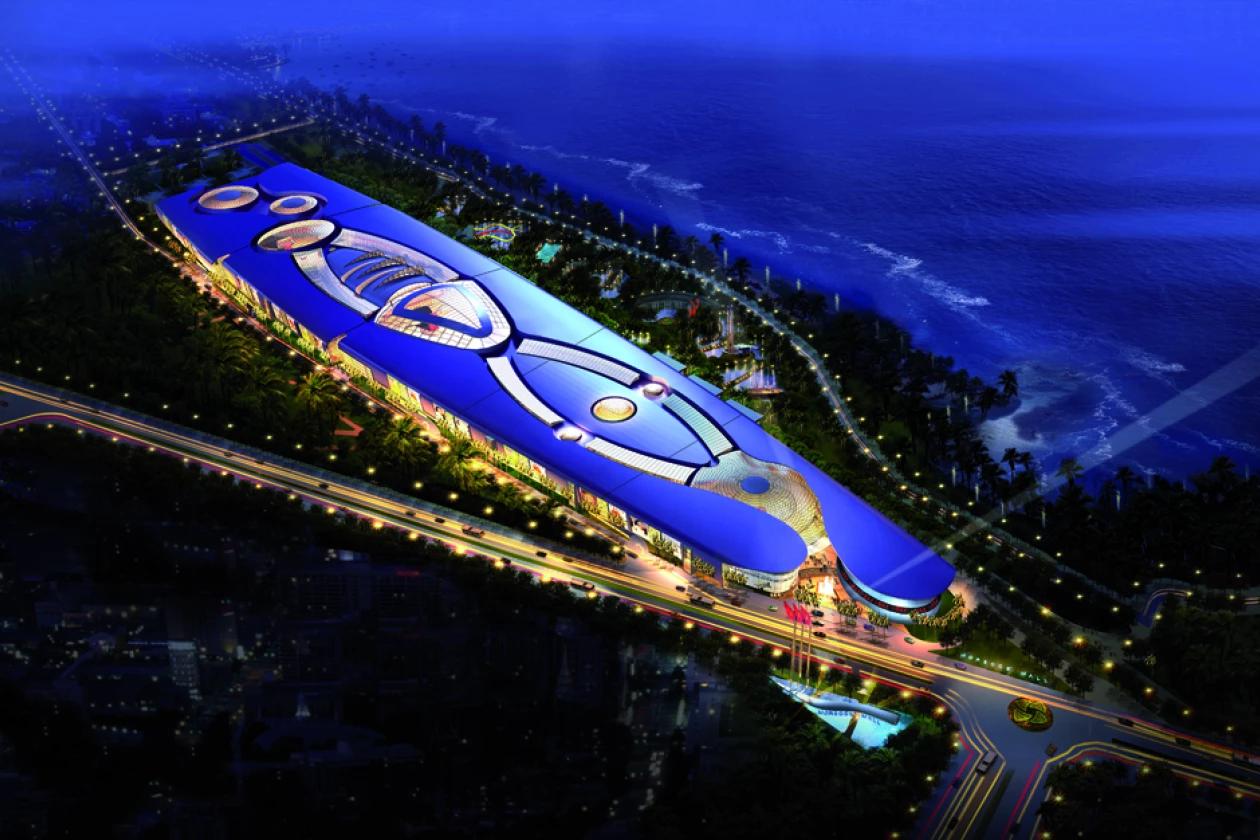
Morocco Mall
Waterfront sophistication meets world-class retail — an architectural statement on the Atlantic edge.
A Green Horizon
Casablanca is shaping a sustainable future with 400+ hectares of new green spaces, clean energy transit, and solar infrastructure.